
Shoulder Instability
The shoulder may feel loose, give way, or repeatedly move out of position, particularly during sports or overhead movements.
French-Trained Orthopedic Sports Surgeon • Beirut, Lebanon
From Pain and Instability to Confident Movement
The shoulder allows a wide range of movement, but that mobility can also make it vulnerable to injury, particularly during contact sports, overhead movements, repetitive training, falls, and sudden trauma.
Dr Anthony Kamel provides individualized assessment and treatment for shoulder injuries in athletes, active individuals, and patients experiencing pain, weakness, or instability.
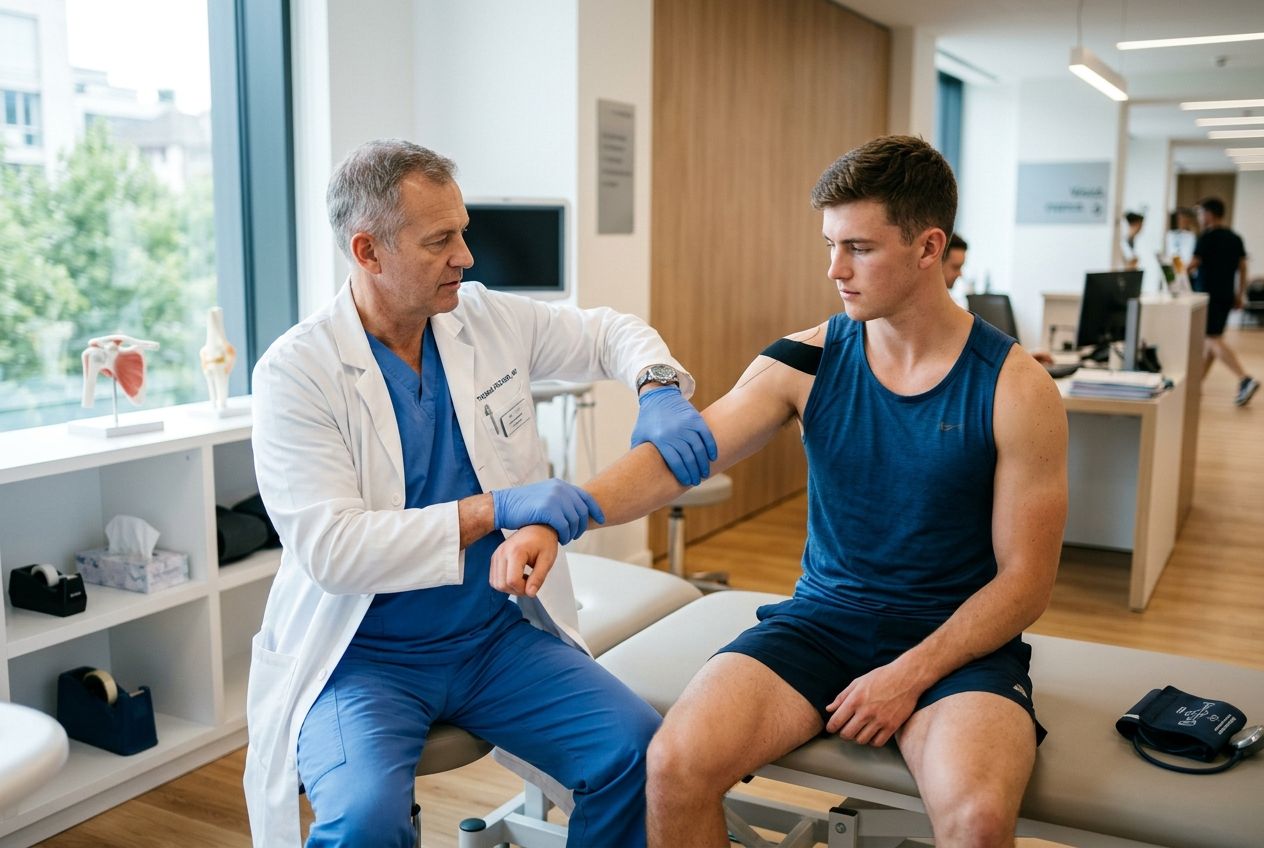
The shoulder may feel loose, give way, or repeatedly move out of position, particularly during sports or overhead movements.
A shoulder dislocation occurs when the upper arm bone comes out of the shoulder socket, often following trauma or a sports injury.
Rotator cuff tears can cause pain, weakness, and difficulty lifting or rotating the arm, particularly during overhead activity.
A SLAP lesion is an injury to the upper part of the shoulder labrum and may cause pain, clicking, or difficulty with overhead and throwing movements.
Injuries to the proximal biceps tendon can cause pain at the front of the shoulder, weakness, or discomfort during lifting and sports.
Shoulder pain in athletes may develop from repetitive loading, overuse, trauma, or the specific demands of a sport.
Shoulder pain in athletes needs to be assessed in the context of how the shoulder is being used.
Contact sports, racket sports, swimming, gym training, throwing, and other overhead activities can place very different demands on the joint.
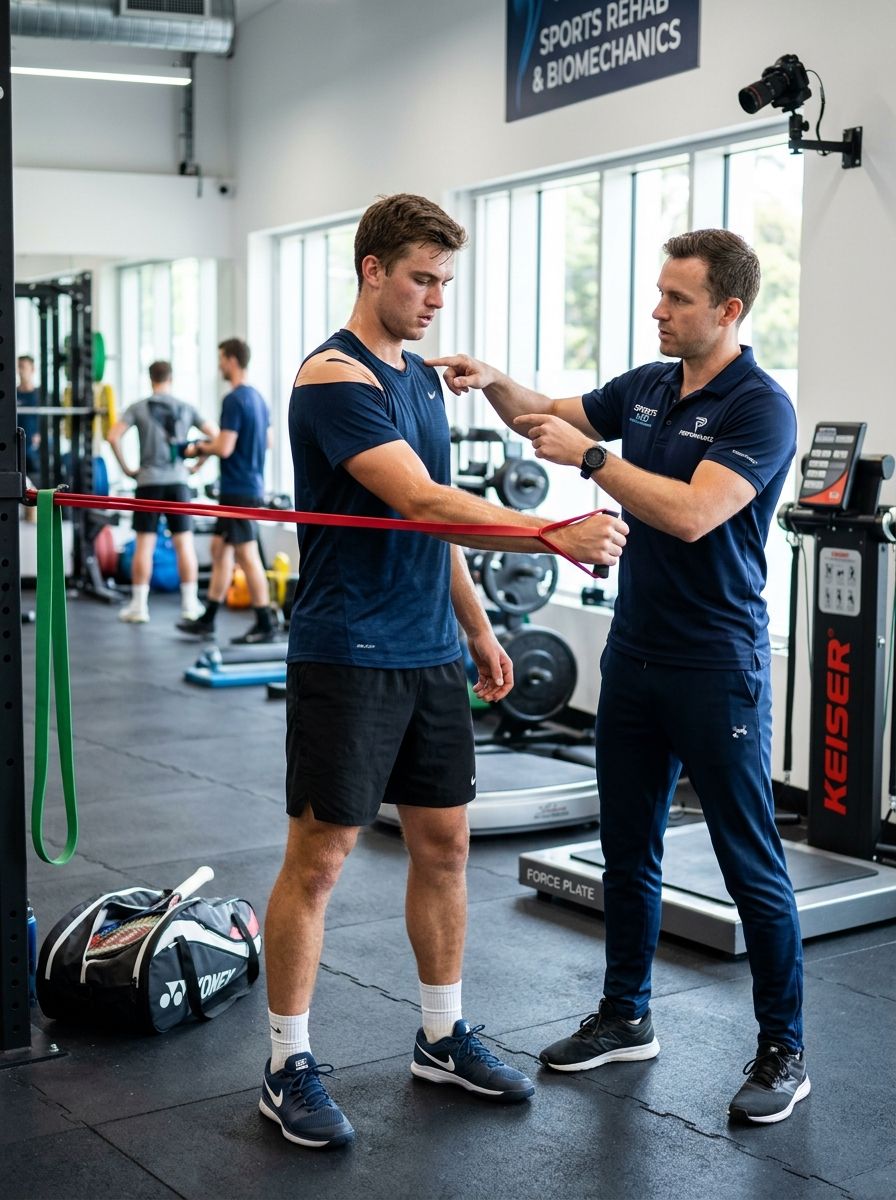
For an athlete, treatment therefore considers more than pain. Strength, stability, range of motion, movement, sporting demands, and safe return to activity all matter.
The Diagnosis Alone Doesn't Decide.
Not every rotator cuff injury, first time dislocation, or unstable shoulder requires surgery. Both rotator cuff injuries and shoulder instability can have non surgical treatment options depending on the individual case.
The decision considers:
When appropriate, treatment may begin conservatively with rehabilitation, progressive strengthening, activity modification, and other non surgical options.
“The objective is not surgery. The objective is restoring function safely.”

Surgery may be considered when structural damage, recurrent instability, persistent symptoms, or functional limitations cannot be adequately managed through conservative treatment.
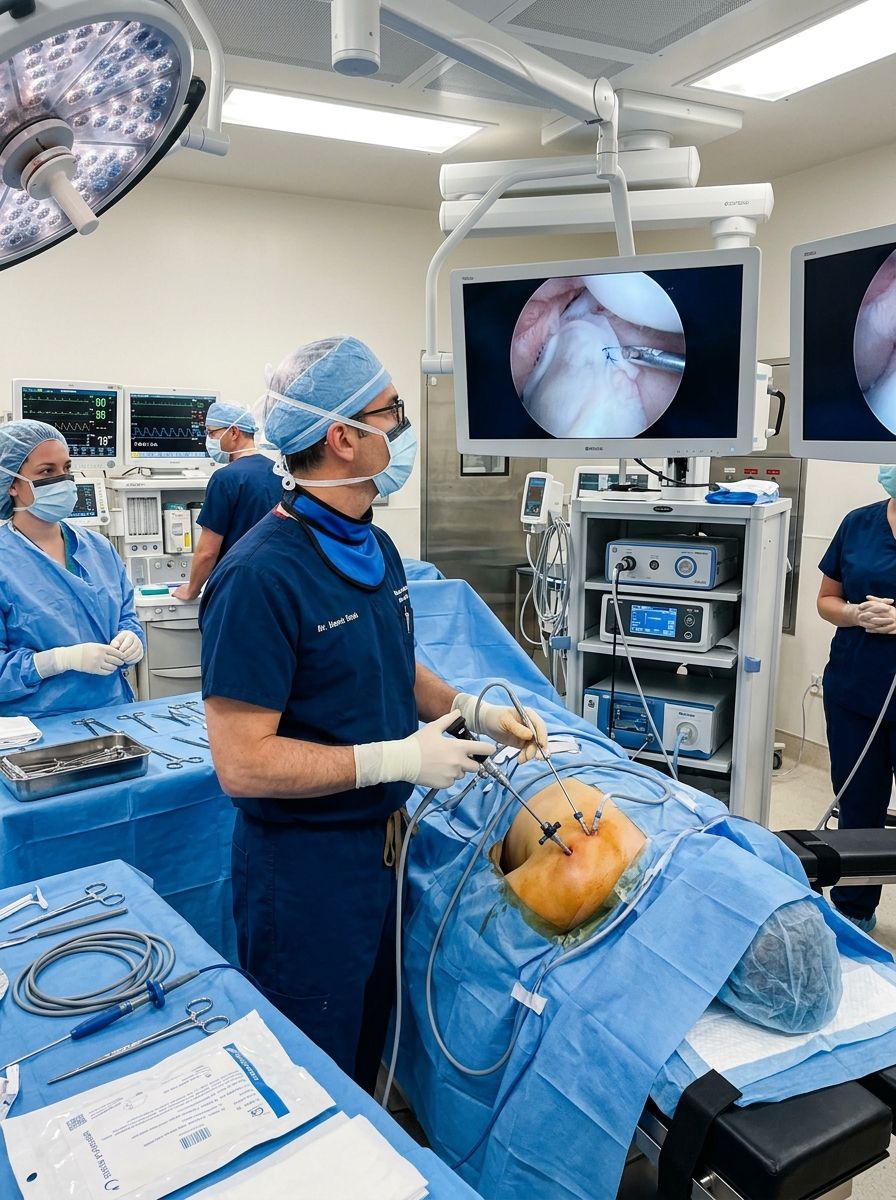
Depending on the condition, shoulder surgery may involve arthroscopic or other surgical techniques to address injured structures and restore stability or function. Arthroscopy uses a camera and instruments introduced through small incisions to evaluate and treat selected problems inside the shoulder joint.
For recurrent instability, the surgical approach is selected according to the individual injury and anatomy. This may include stabilization procedures such as Latarjet when appropriate.
The right procedure depends on the right diagnosis and indication.
Consider an assessment if you experience:
Shoulder pain does not always come from the same structure, so identifying the cause is an important part of choosing the appropriate treatment.
No. Treatment depends on the type of injury, symptoms, activity level, functional limitations, and individual patient factors.
No. A dislocation occurs when the upper arm bone comes completely out of the socket, while instability describes a shoulder that is excessively loose or repeatedly gives way and can include partial or complete displacement.
In some cases, yes. Rehabilitation and strengthening may help restore function and stability. Surgery may be considered when instability persists or repeatedly affects activity.
After a dislocation, the structures that stabilize the shoulder can remain damaged or stretched, increasing the possibility of recurrent instability.
There is no single timeline. Return depends on the injury, healing, strength, stability, range of motion, function, and demands of the specific sport.
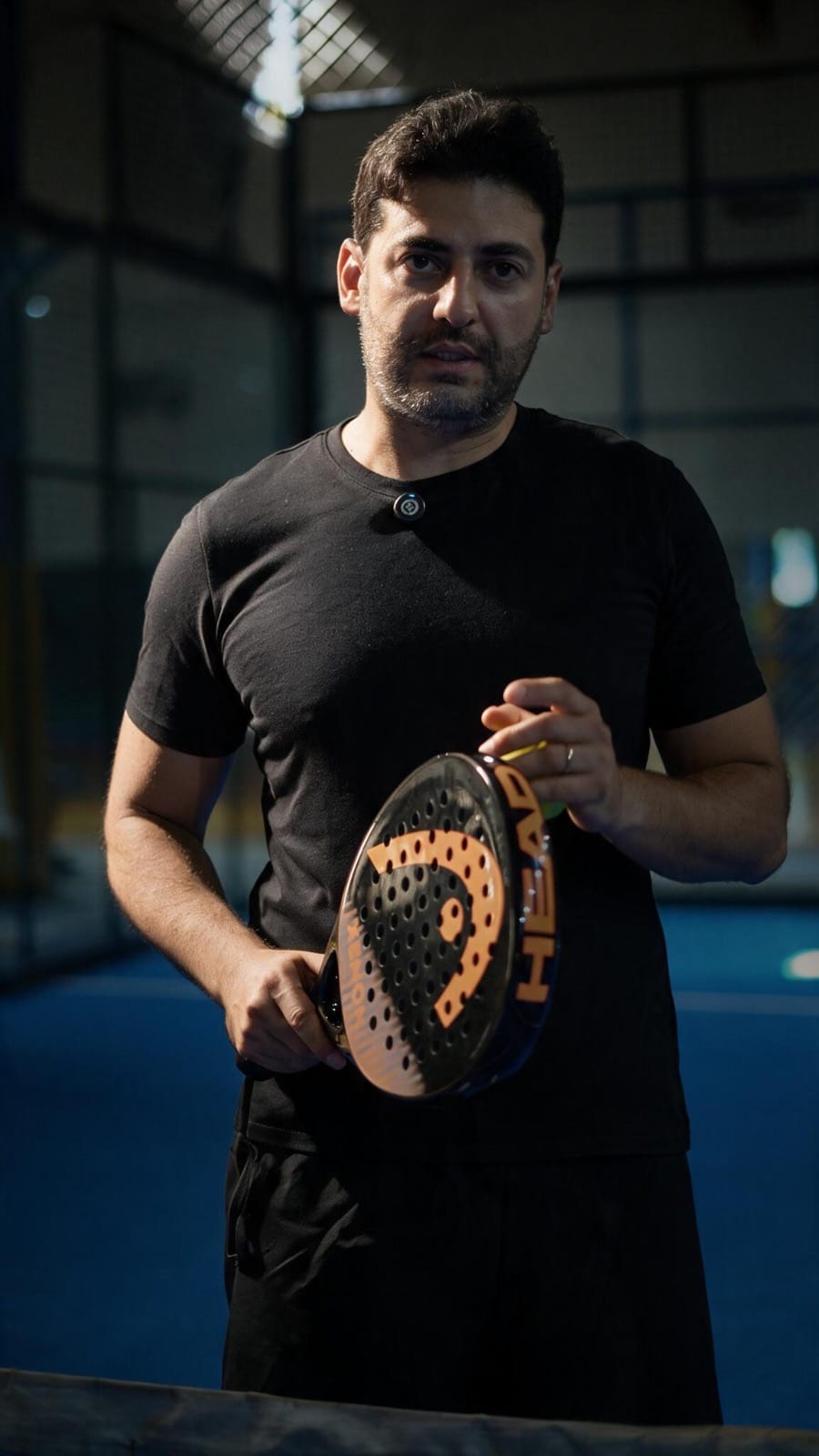
Dr Anthony Kamel is a French trained orthopedic surgeon specializing in sports medicine, sports surgery, arthroscopy, and minimally invasive techniques.
His background in Biomechanical Engineering contributes to his approach to understanding movement, joint mechanics, and the physical demands placed on the shoulder during sport and everyday activity.
START YOUR RECOVERY
Whether you're dealing with shoulder pain, weakness, a first dislocation, or recurring instability, treatment starts by understanding what is causing the problem and what your shoulder needs to return safely to activity.
Dr Anthony Kamel