
Sports Surgery in Lebanon Precision in Surgery. Focused on Movement.
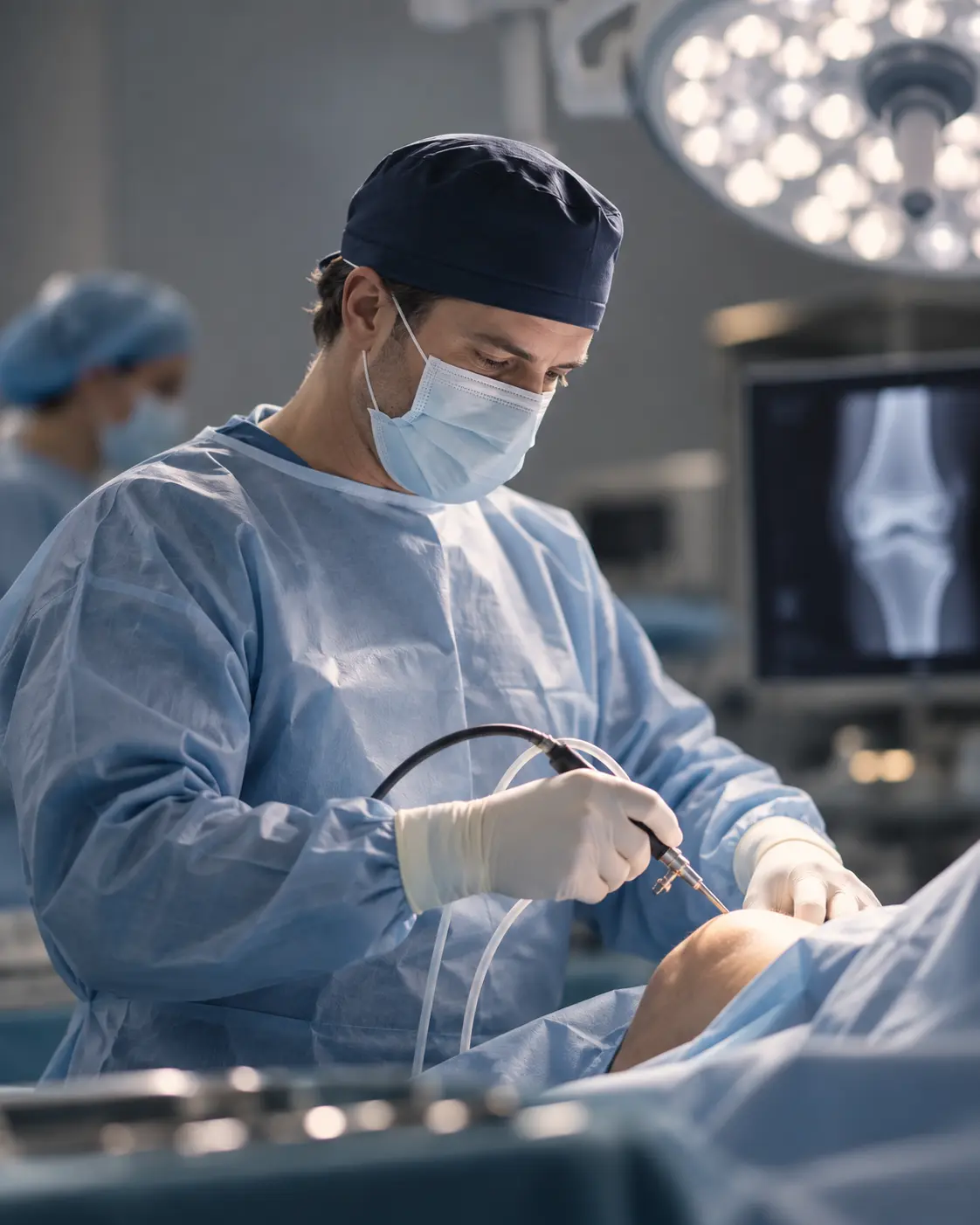
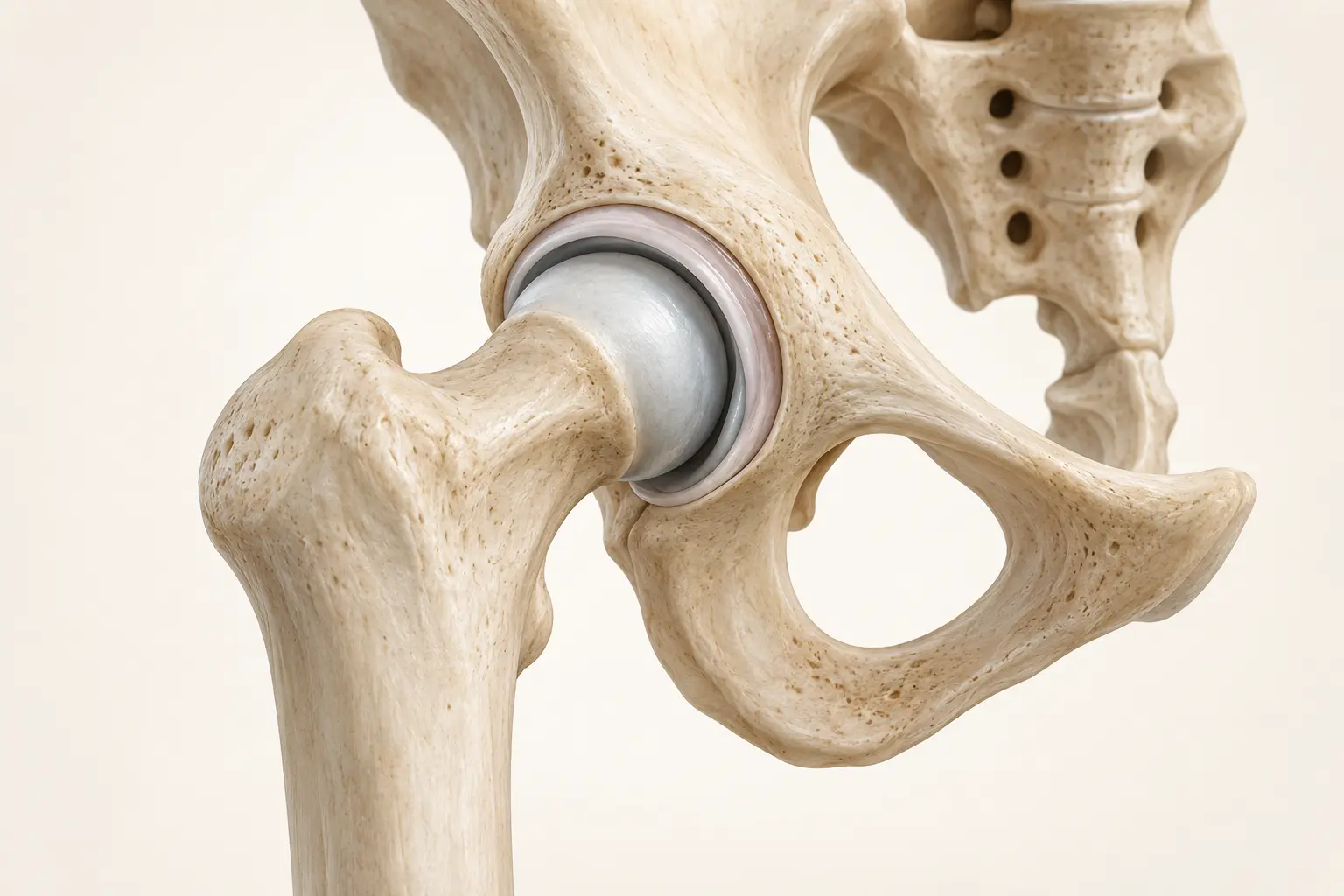
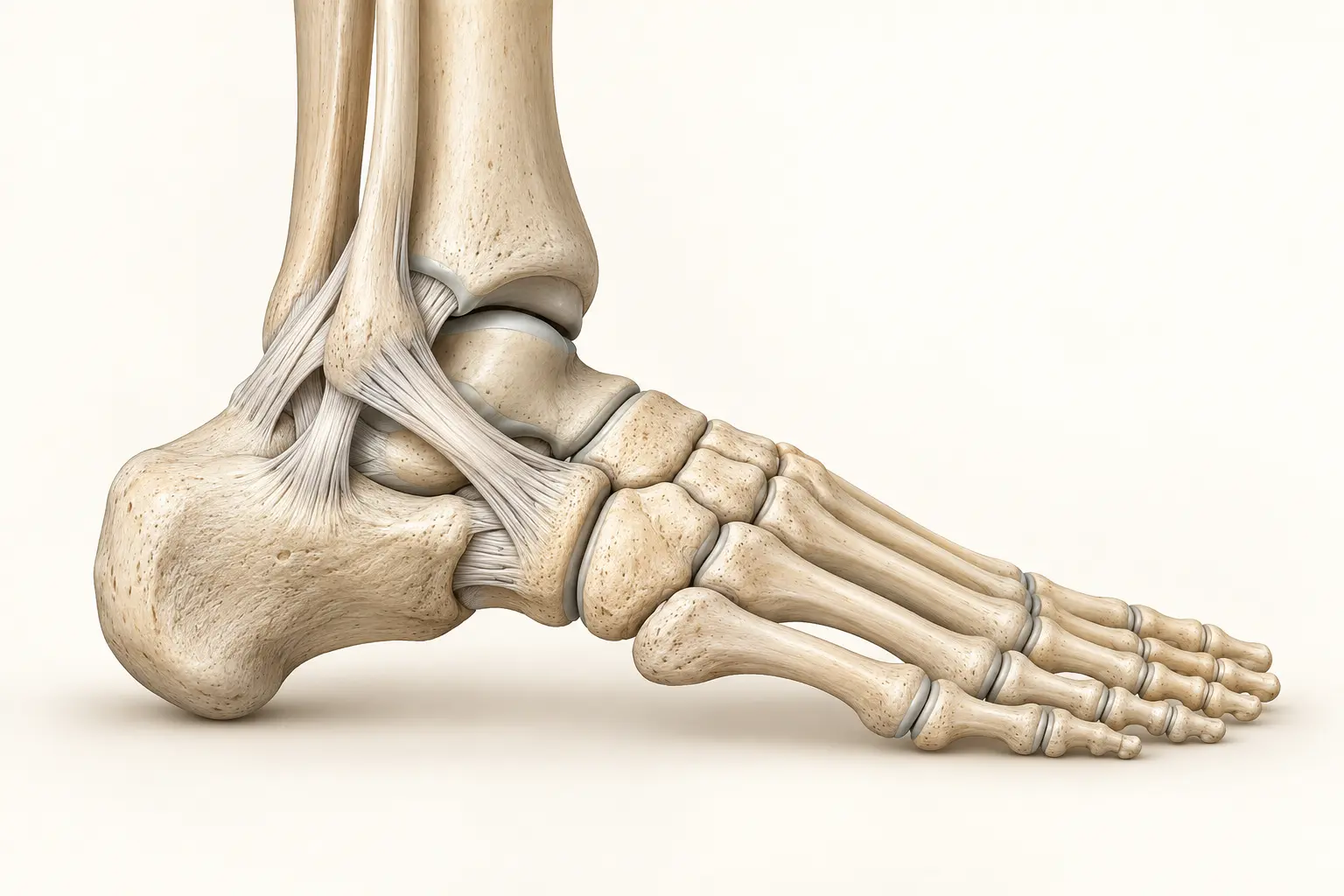
Dr Anthony Kamel specializes in sports surgery, arthroscopy, and minimally invasive techniques for selected injuries affecting the knee, shoulder, hip, and ankle.
Surgery is considered when it is the appropriate treatment to restore stability, function, and movement, with every decision based on the individual patient and their goals.
Explore Sports Medicine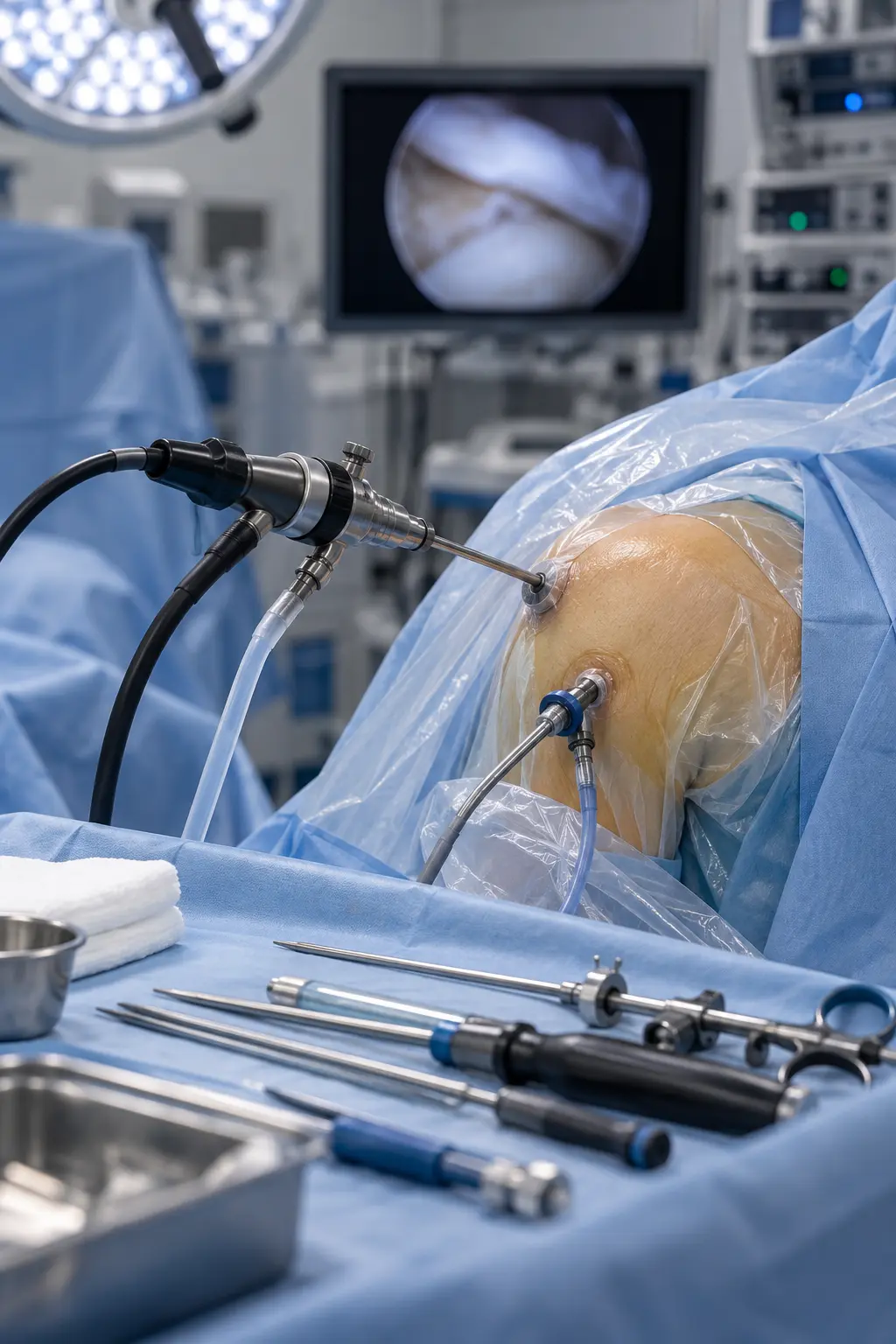
Arthroscopic & Minimally Invasive Surgery
A Precise Approach to Joint Surgery
Arthroscopy is a minimally invasive technique that uses a small camera and specialized instruments to examine and treat selected conditions inside a joint through small incisions.
Dr. Kamel performs arthroscopic surgery in Lebanon for selected knee, shoulder, hip, and ankle conditions.
When appropriate, arthroscopy may offer benefits including smaller incisions, detailed visualization of joint structures, less disruption to surrounding tissues, and potentially faster recovery in selected cases.
The technique, however, is chosen according to the injury and patient.
The goal is not simply a smaller incision. It is the right procedure for the right condition.
Areas of Surgical Expertise
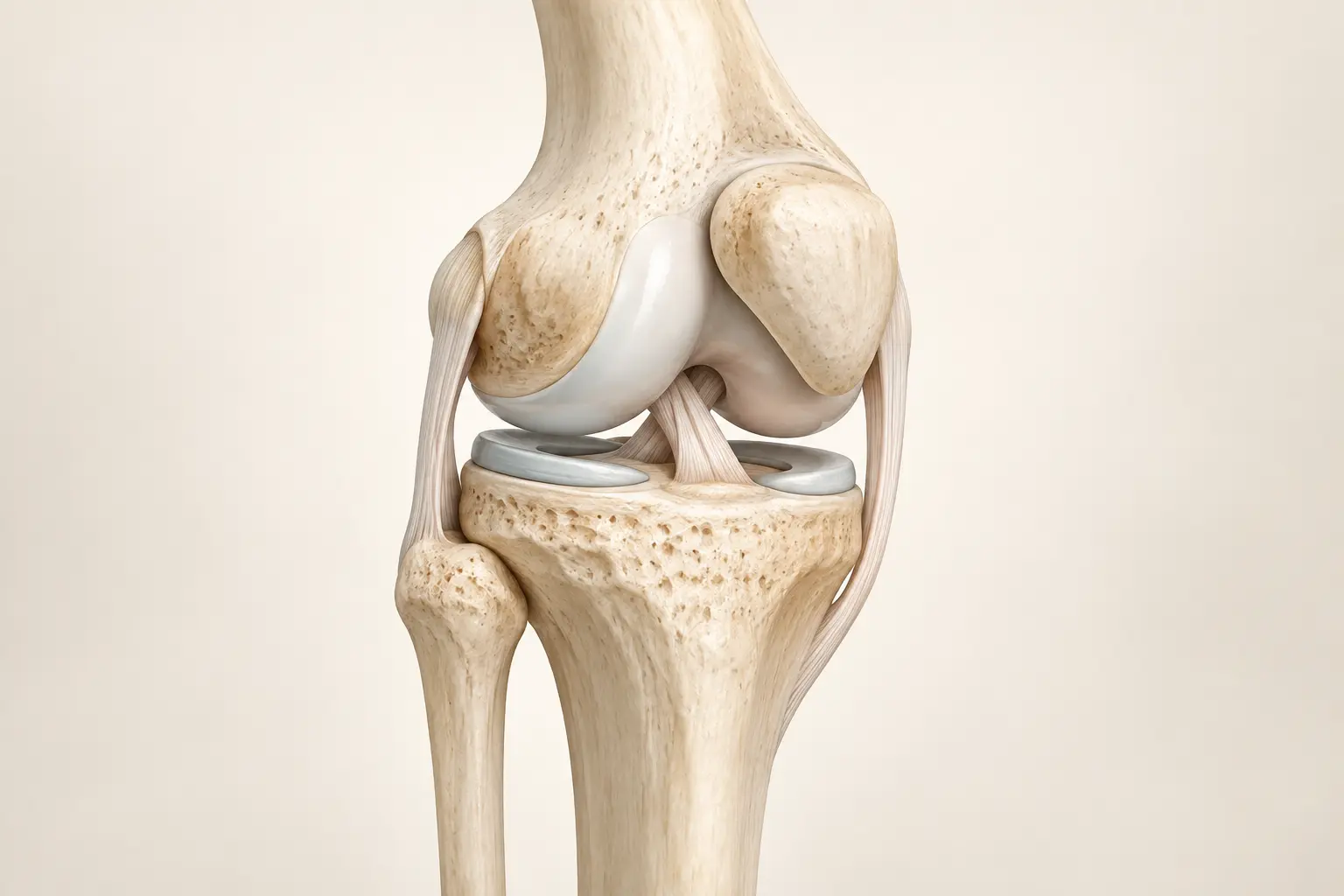
Shoulder
- Rotator Cuff
- Shoulder Instability
- Recurrent Dislocation
- Latarjet
- Shoulder Arthroscopy
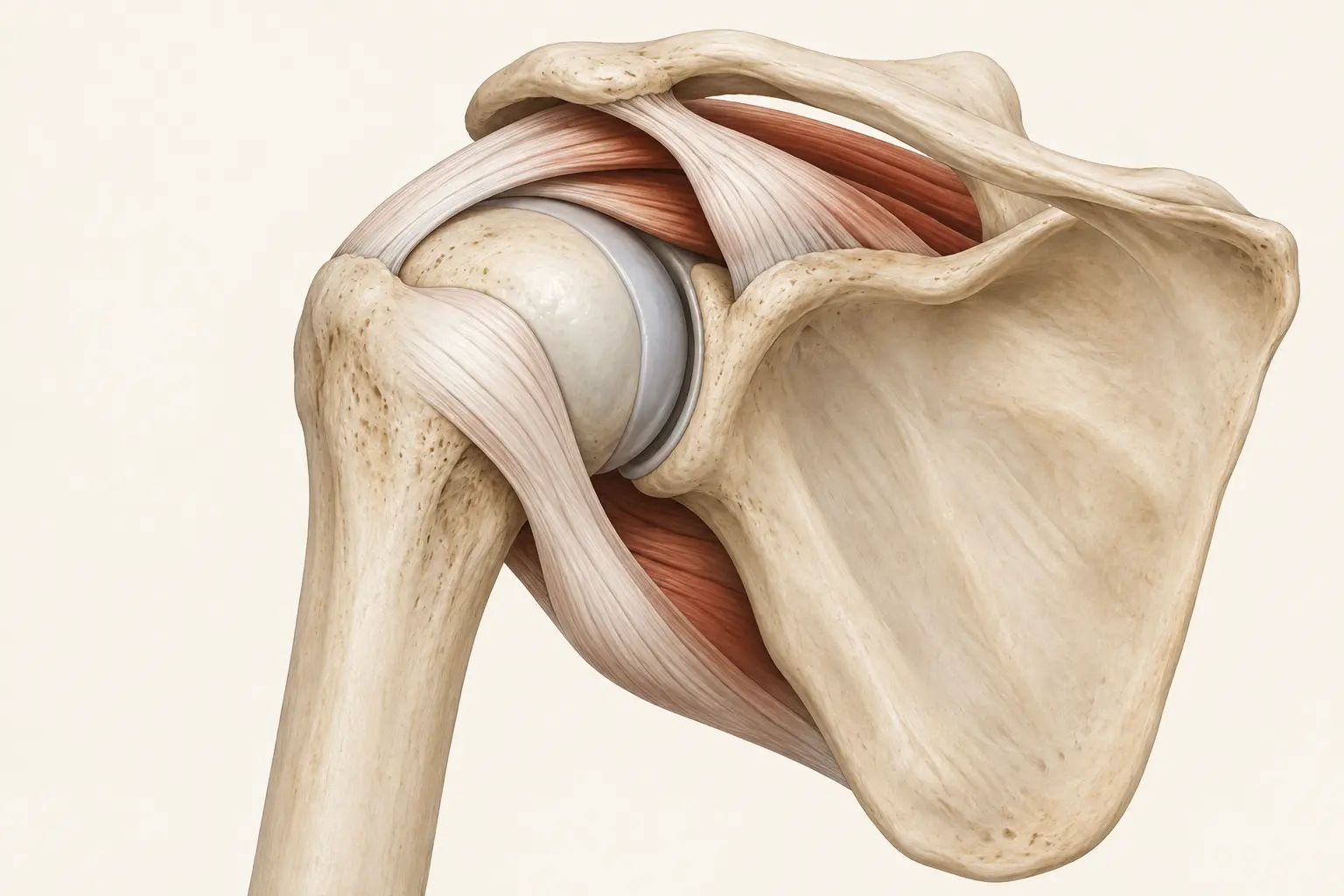
Surgery Built Around the Patient
The Same Injury Doesn't Always Mean the Same Treatment
An MRI can identify structural damage, but it does not determine the surgical decision on its own.
Dr. Kamel considers the patient's symptoms, physical examination, anatomy, injury characteristics, activity level, sport, and individual goals before recommending surgery or selecting a surgical approach.
For athletes, treatment planning also considers the physical demands of their sport and what they need to safely return to performance.
Meet Dr Anthony Kamel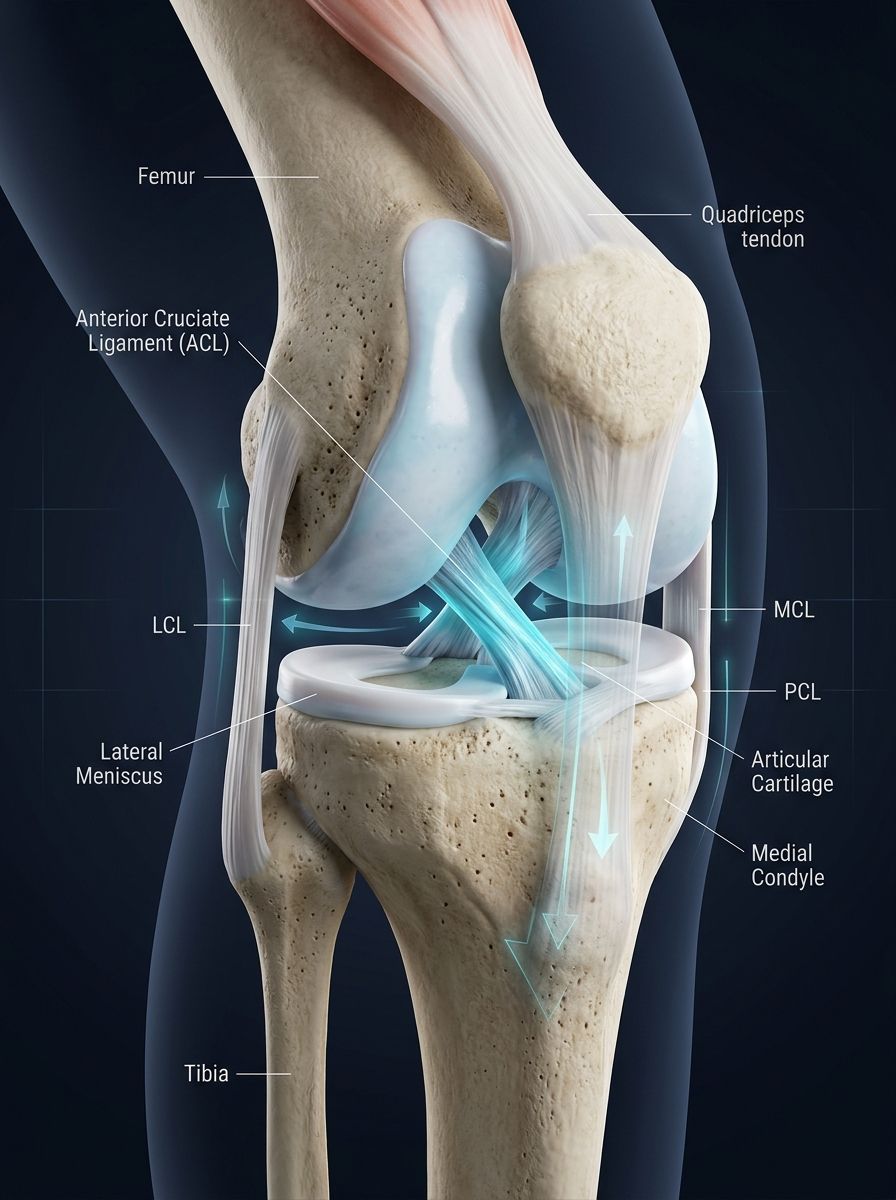
About Dr Anthony Kamel
French Trained Expertise in Sports Surgery
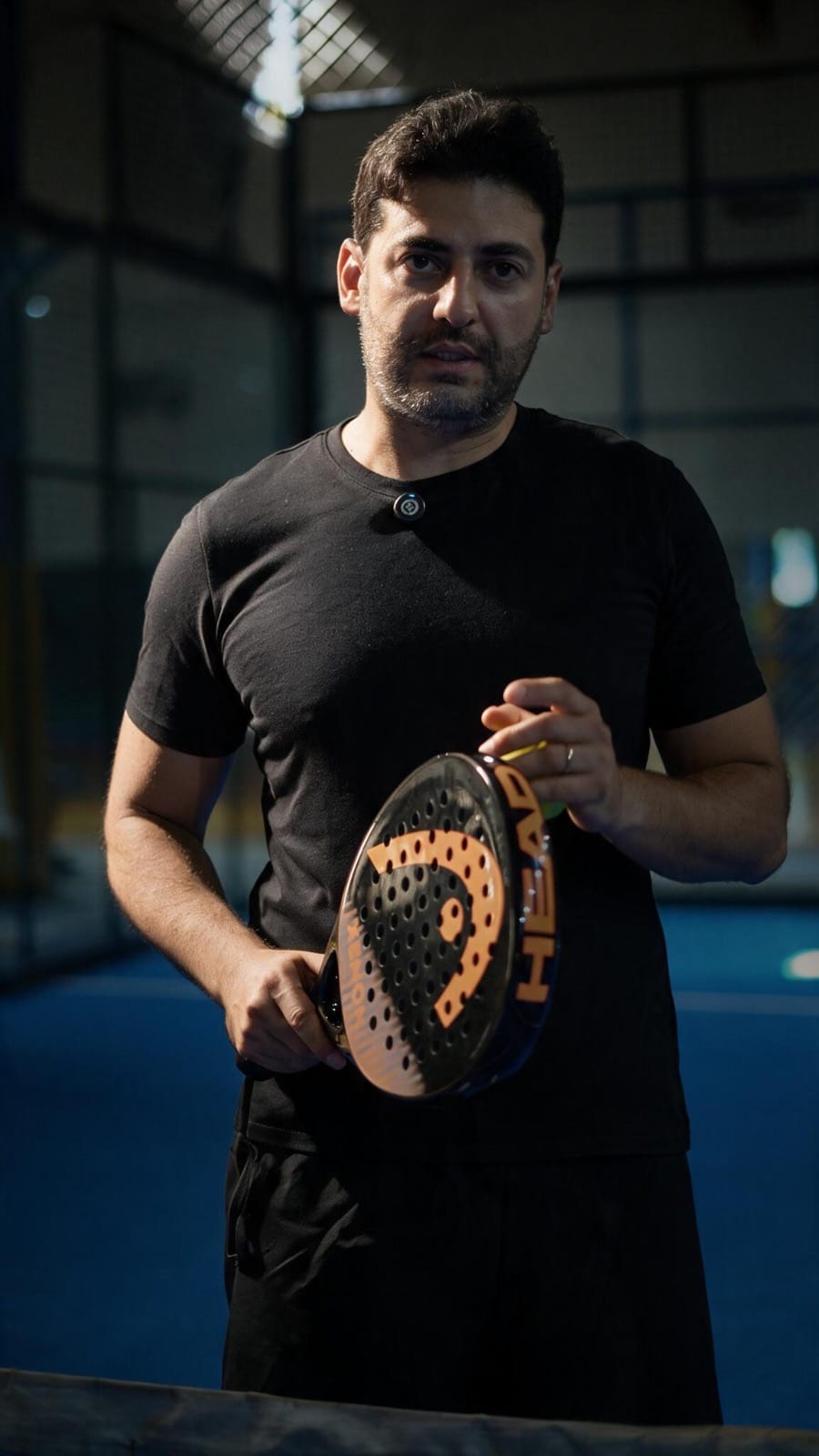
Dr Anthony Kamel is a French trained orthopedic surgeon specializing in sports medicine, sports surgery, arthroscopy, and minimally invasive techniques.
His experience in France includes INSEP, alongside training in orthopedic and sports medicine environments. He also holds a Master's degree in Biomechanical Engineering, adding an understanding of movement, joint mechanics, forces, and load distribution to his approach.
Meet Dr Anthony Kamel




The Right Surgery Starts With the Right Decision.
If an injury is limiting your movement, sport, or performance, the first step is determining whether surgery is necessary and which treatment is appropriate for you.
Dr Anthony Kamel
Orthopedic Surgeon | Sports Medicine & Sports Surgery
Arthroscopy · Minimally Invasive Techniques
Knee · Shoulder · Hip · Ankle