Skip to content

Dr. Anthony Kamel

Knee Conditions & Sports Injuries

Knee Injuries Treatment in Lebanon

From Injury to a Safe Return to Movement

Knee injuries can affect stability, movement, and performance, particularly in sports involving running, jumping, pivoting, contact, and sudden changes of direction.

Dr Anthony Kamel provides specialized assessment and treatment for knee injuries in athletes and active individuals, with a conservative approach whenever medically appropriate.

Knee Injuries Treatment in Lebanon
Common Knee Injuries

Understanding What Is Causing Your Knee Pain

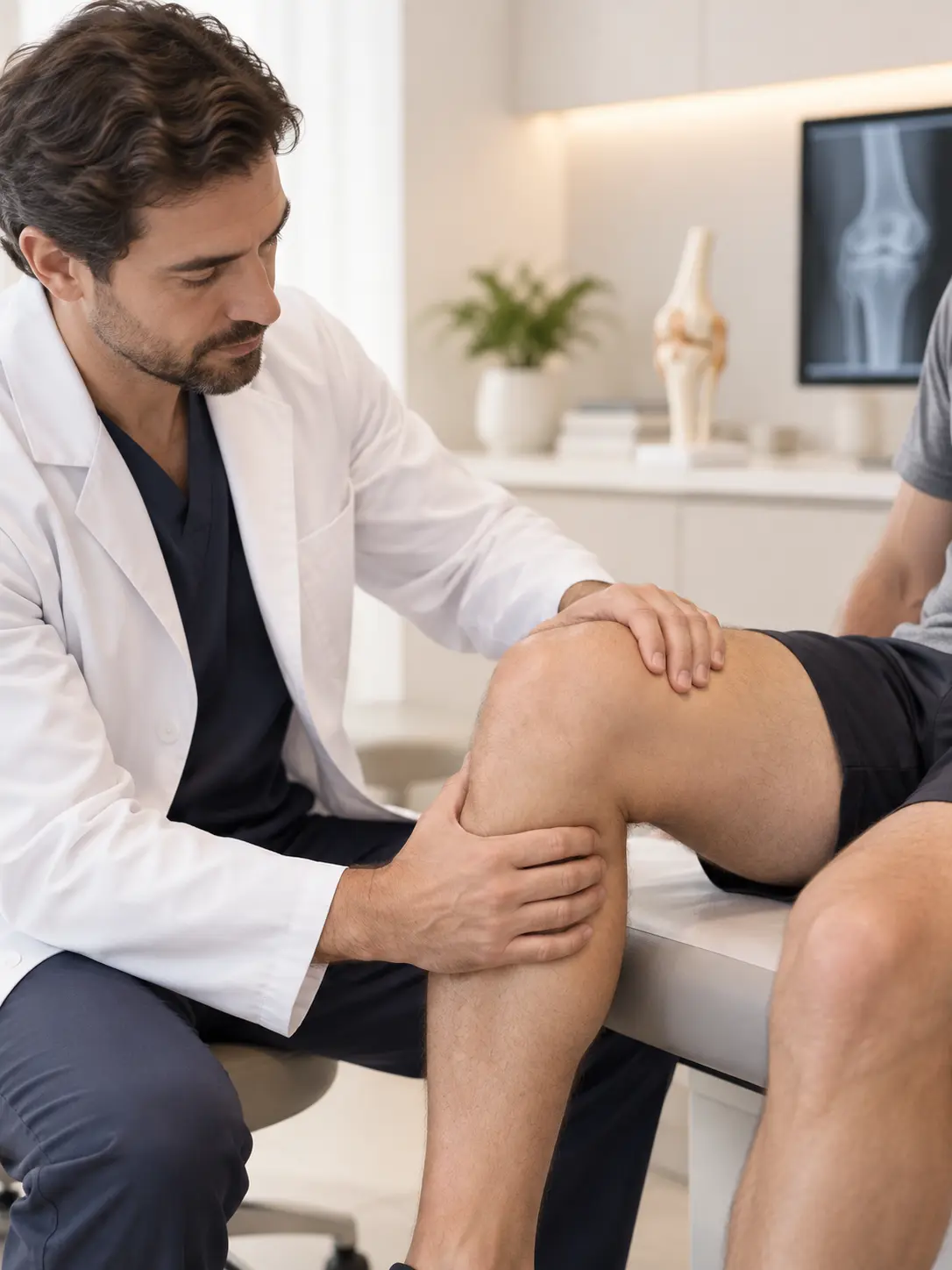
Knee pain can come from different structures within the joint. Identifying the injury and understanding how it affects movement are essential before deciding on treatment.

01

ACL Injuries

ACL injuries commonly occur during sudden changes of direction, pivoting, landing, or sports related trauma.

Clinical Decision:

Not every ACL injury requires surgery. Treatment depends on knee stability, associated injuries, activity level, sporting demands, and individual goals.
02

PCL Injuries

PCL injuries can occur following direct trauma to the knee or during sports related impact.

Clinical Decision:

Depending on the severity of the injury and knee stability, some PCL injuries may be managed conservatively.

03

MCL Injuries

MCL injuries often occur when force is applied to the outside of the knee, particularly during contact sports or sudden changes in direction.

Clinical Decision:

Treatment depends on the severity of the ligament injury, knee stability, associated injuries, and activity level.

04

Meniscus Injuries

Meniscus injuries may occur suddenly during twisting movements or develop gradually over time.

Clinical Decision:

Not every meniscus tear requires surgery. Treatment depends on the type of tear, symptoms, associated injuries, activity level, and clinical findings.

05

Cartilage Injuries

Cartilage injuries can cause pain, swelling, and limitations during sport or everyday movement.

Clinical Decision:

Treatment is individualized according to the location and extent of the injury, symptoms, activity level, and patient needs.

06

Knee Sprains

A knee sprain occurs when one or more of the ligaments supporting the knee are stretched or injured.

Clinical Decision:

The appropriate treatment depends on which ligament is affected, the severity of the sprain, knee stability, and the patient's activity demands.

07

Patellar Instability

Patellar instability occurs when the kneecap does not remain securely within its normal position and may partially or completely move out of place.

Clinical Decision:

Treatment depends on factors such as the cause of instability, recurrence, anatomy, associated injuries, and activity level.

Knee Pain in Athletes

Treat the Knee With the Sport in Mind

For athletes, treating knee pain isn't only about identifying the injured structure.

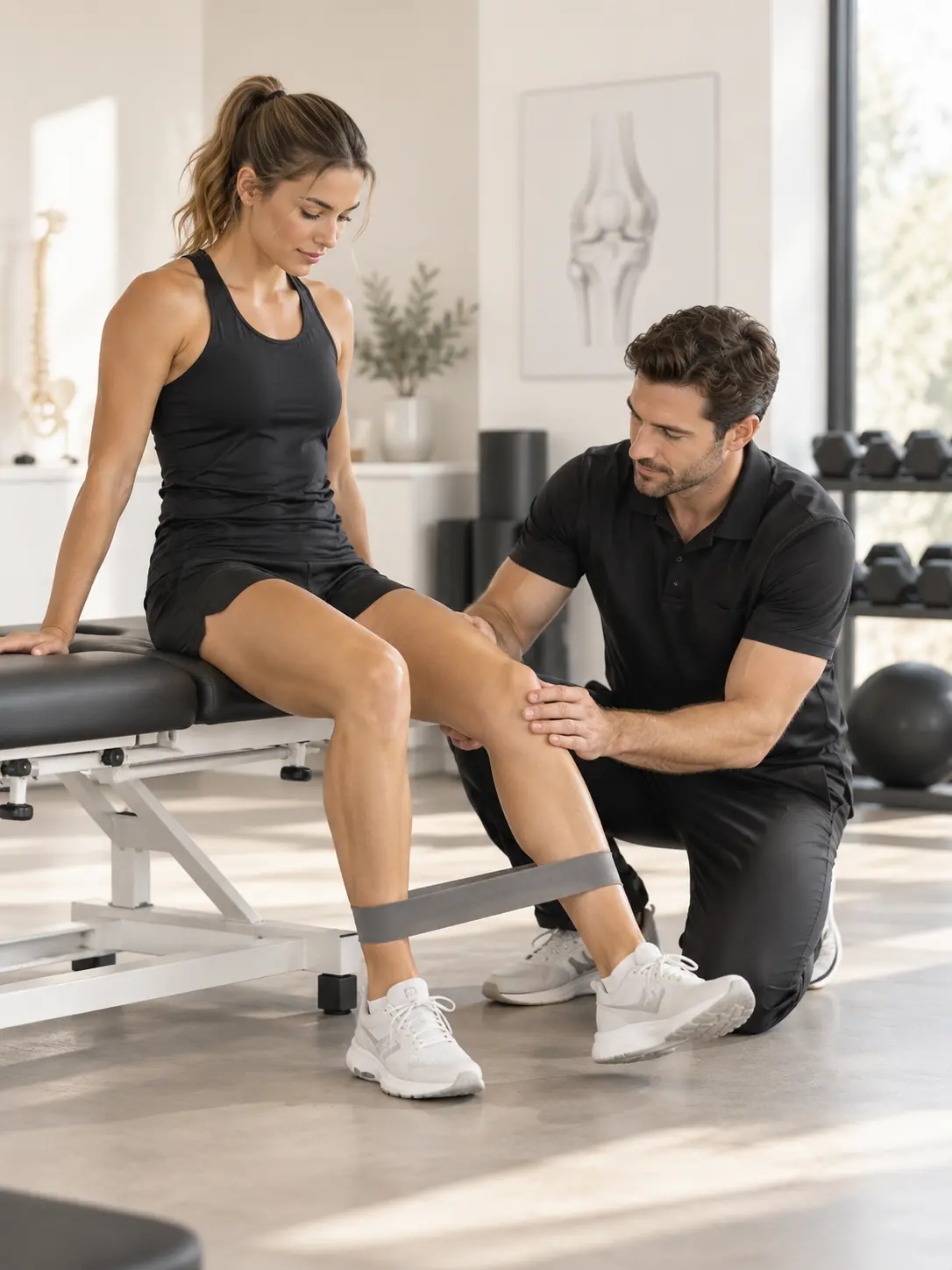
The treatment plan also considers sport specific demands, strength, stability, movement patterns, competition level, timing, and risk of reinjury.

Whether the goal is returning to professional competition, recreational sport, running, or the gym, recovery should be adapted to what the knee needs to handle.

Treat the Knee With the Sport in Mind
01
Movement-Centric Recovery From acute care to athletic performance
CLINICAL PHILOSOPHY

Does a Knee Injury Need Surgery?

The Diagnosis Alone Doesn't Decide the Treatment

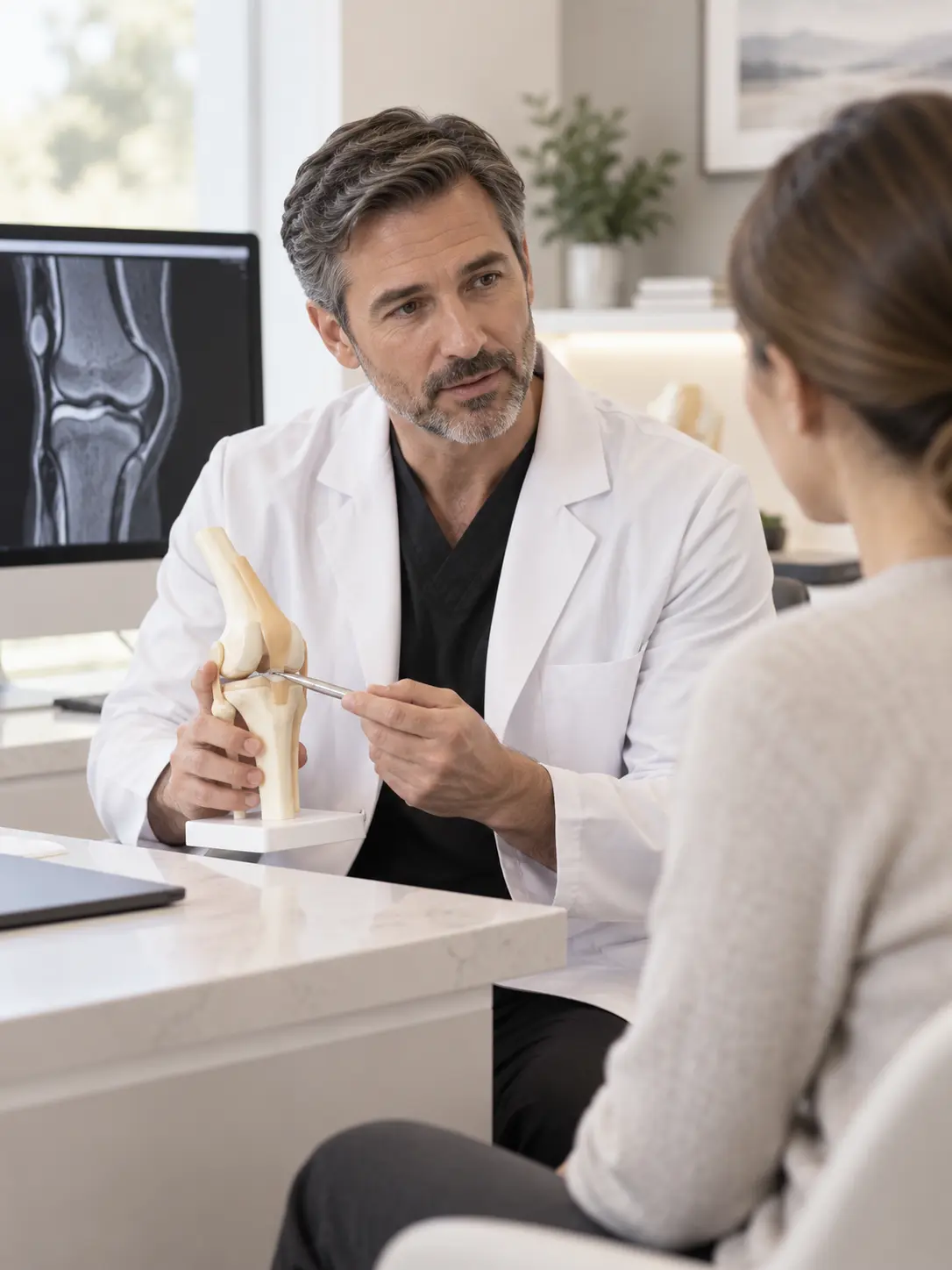
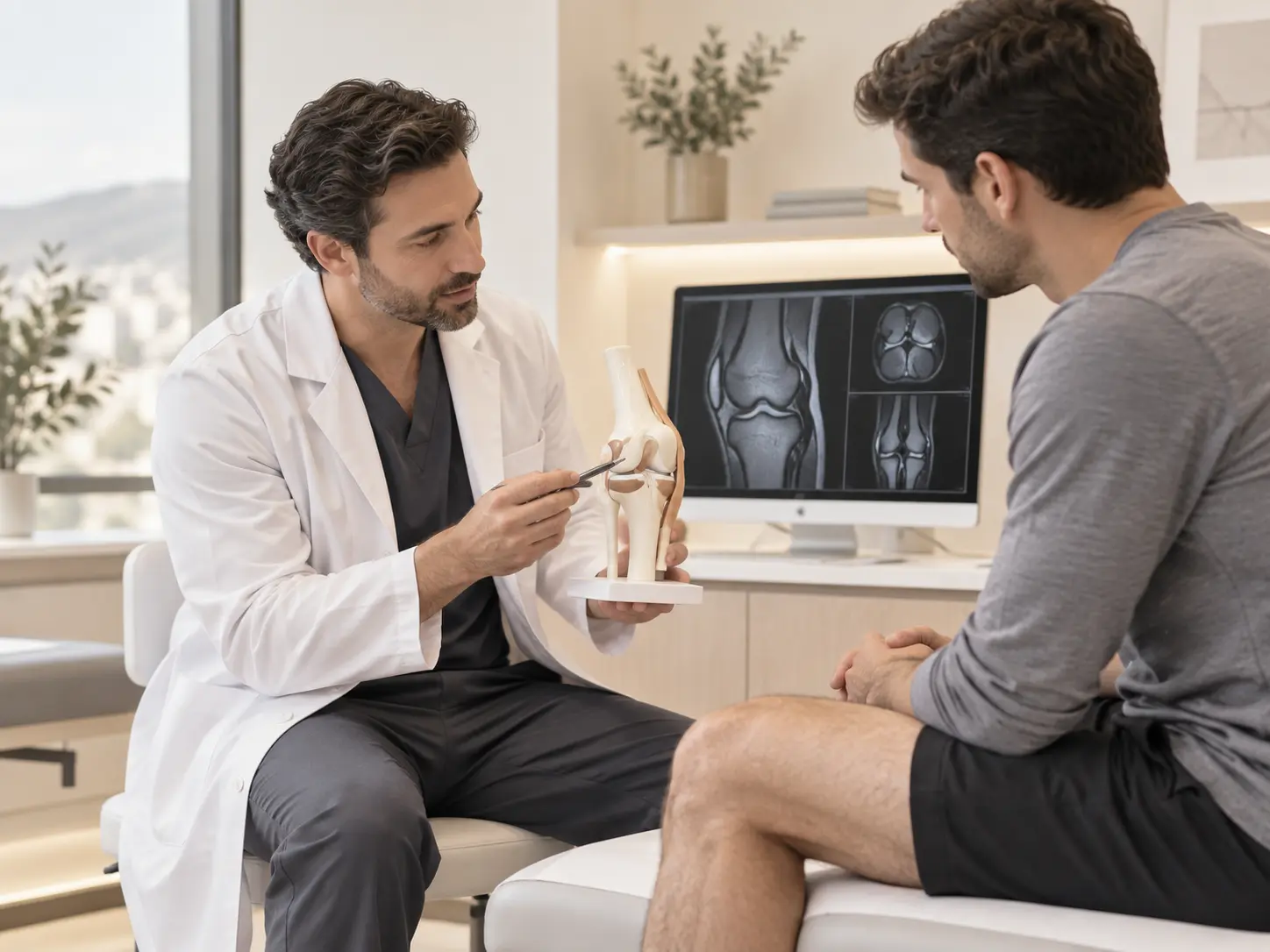
An MRI can provide important information about structural damage, but it is only one part of the assessment.

Treatment decisions also consider the patient's symptoms, physical examination, knee stability, type of injury, associated injuries, activity level, and goals.

Whenever medically appropriate, conservative treatment is considered before surgery.

When Surgery Is the Appropriate Option
Minimally Invasive & Arthroscopic
Knee Arthroscopy & Surgery

When Surgery Is the Appropriate Option

When surgical treatment is necessary, Dr Kamel performs arthroscopic and minimally invasive knee procedures for selected injuries.

Surgical treatment may include procedures for ligament injuries, meniscus injuries, cartilage injuries, patellar instability, and other conditions affecting knee stability and function.

The surgical approach is selected according to the individual injury and patient rather than applying the same procedure to every case.

CLINICAL EVALUATION

When Should You Get Your Knee Checked?

Consider an assessment if you experience:

01
Persistent or recurring knee pain
02
Swelling during or after activity
03
A feeling of instability or giving way
04
Difficulty bending or straightening the knee
05
Pain during running, jumping, pivoting, or changing direction
06
A kneecap that feels unstable or moves out of position
07
Difficulty returning to sport after a knee injury
08
Recurring symptoms after returning to activity
PATIENT QUESTIONS

Frequently Asked Questions

01 Does every ACL tear require surgery?

No. Treatment depends on factors including knee stability, associated injuries, activity level, sporting demands, and individual goals.
02 Does a meniscus tear always need surgery?

No. Some meniscus injuries can be managed conservatively depending on the type of tear, symptoms, clinical findings, and individual patient.

03 Can a knee sprain heal without surgery?

Many knee sprains can be managed without surgery, depending on which ligament is injured, the severity of the injury, knee stability, and associated injuries.

04 Why does my knee keep hurting when I exercise?

Recurring knee pain can have different causes. An assessment can help identify the structure involved and whether factors such as movement, loading, instability, or a previous injury may be contributing.

05 When can I return to sport after a knee injury?

There is no single timeline for every patient. Return to sport depends on the injury, healing, strength, stability, function, and demands of the specific sport.

About Dr Anthony Kamel

Specialized Orthopedic & Sports Medicine Care

Dr Anthony Kamel is a French trained orthopedic surgeon specializing in sports medicine, sports surgery, arthroscopy, and minimally invasive techniques.

His background in Biomechanical Engineering adds an understanding of movement, forces, and joint mechanics to the assessment and treatment of knee injuries.

FR
French-Trained Specialist Sports Medicine, Sports Surgery & Minimally Invasive Arthroscopy (INSEP Paris)
BIO
Biomechanical Engineering Master's Degree · Movement Analysis, Joint Kinematics & Kinetic Loading
Dr. Anthony Kamel
Dr. Anthony Kamel Orthopedic Surgeon | Sports Medicine & Arthroscopy
Dr. Anthony Kamel Consultation

START YOUR RECOVERY

Get Back to What Moves You.

Whether you're dealing with a recent knee injury, recurring pain, instability, or difficulty returning to sport, the first step is understanding what is causing the problem and which treatment is appropriate for you.

Dr Anthony Kamel

Orthopedic Surgeon | Sports Medicine & Sports Surgery Knee Injuries · Arthroscopy · Return to Sport