Skip to content

Dr. Anthony Kamel

Sports Medicine in Lebanon Care Built Around Movement, Recovery & Performance

Sports medicine focuses on the prevention, diagnosis, and treatment of injuries related to movement, exercise, and physical activity.

Dr Anthony Kamel provides specialized care for professional athletes, recreational athletes, and active individuals, with a conservative approach whenever medically appropriate.

Explore Sports Injuries
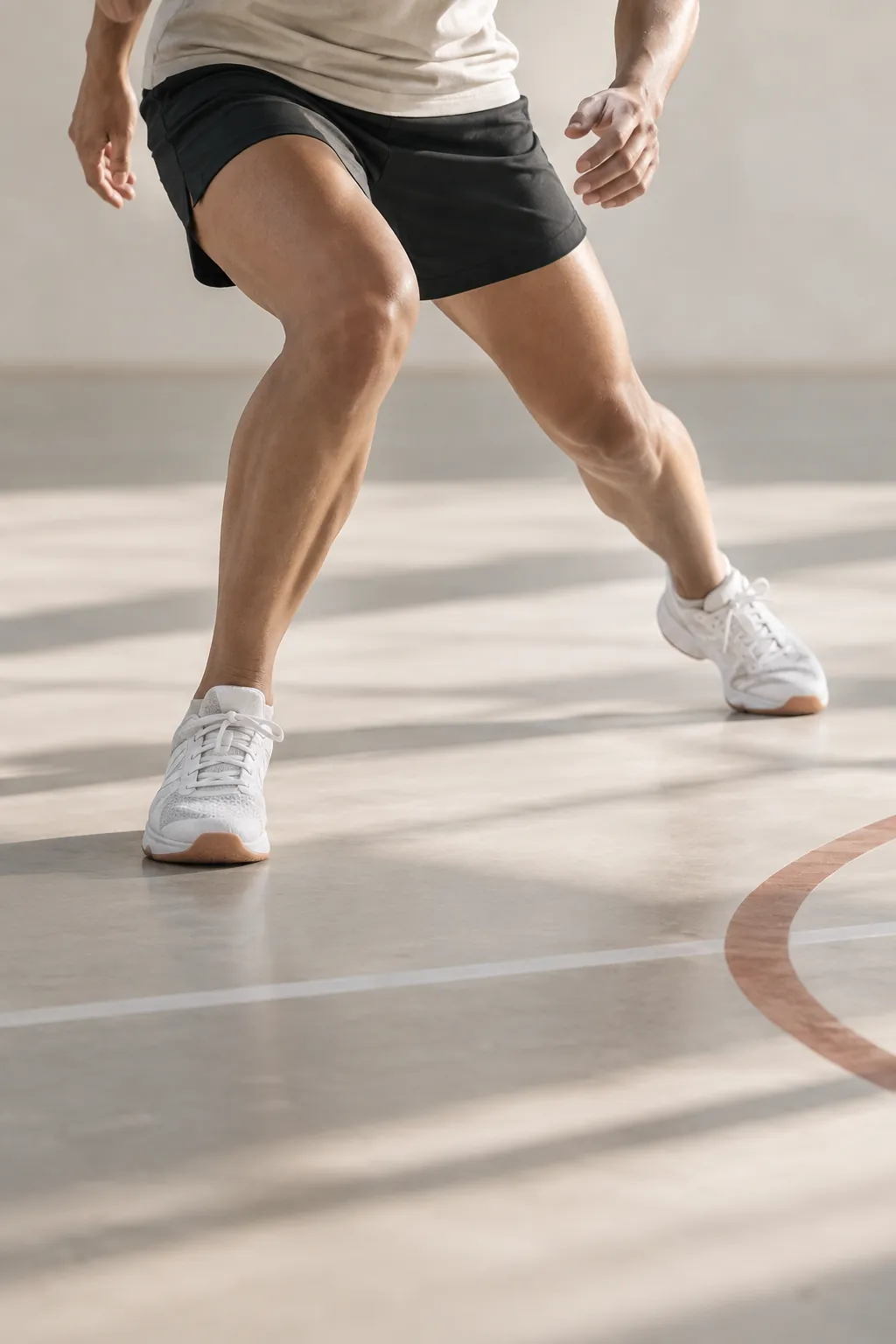

Athlete changing direction on a court
Shoulder rehabilitation exercise with a resistance band
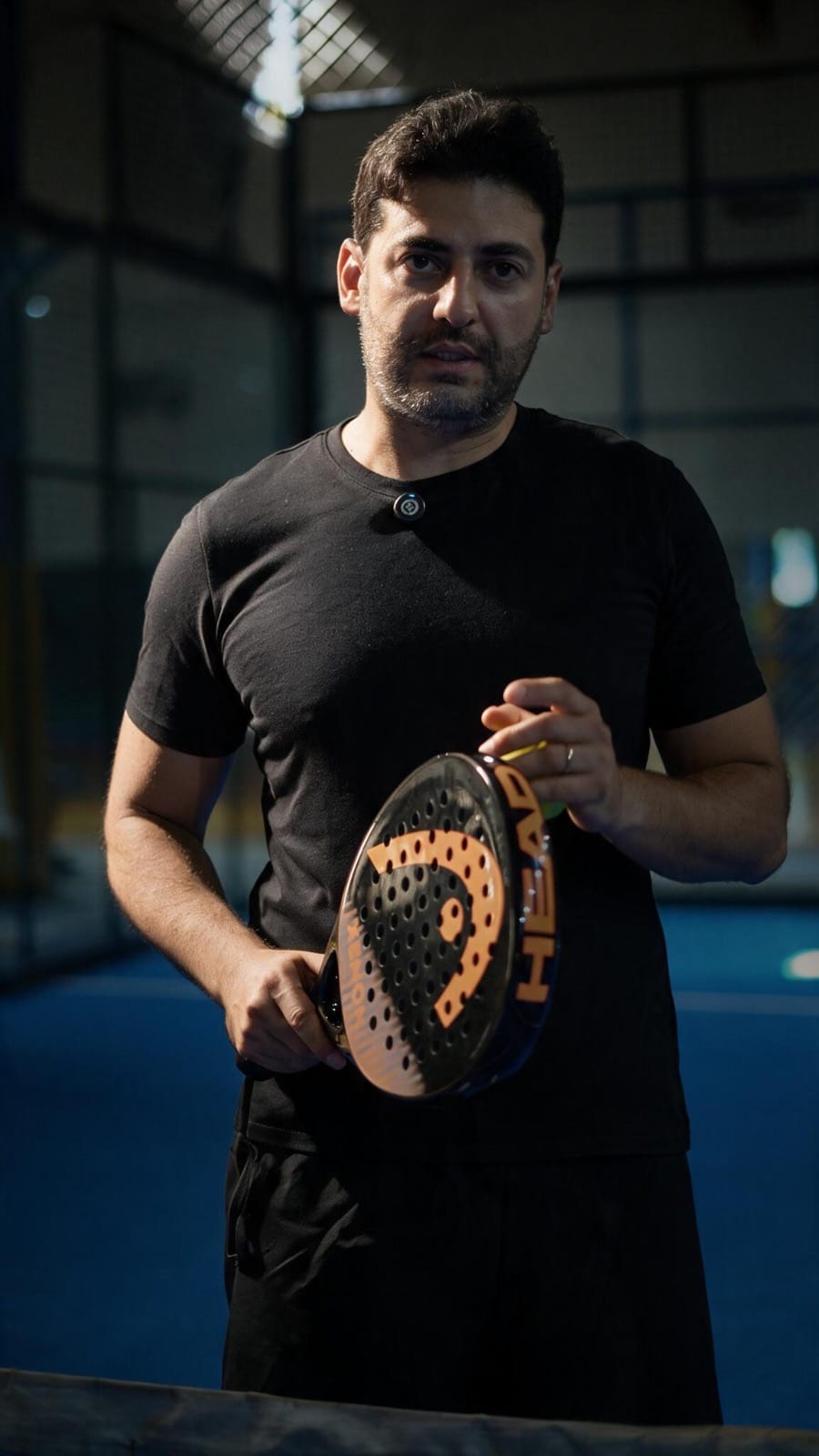
Padel player preparing a shot

Who Is Sports Medicine For?

You Don't Have to Be an Athlete

Sports medicine isn't only for professional athletes.

It can help anyone experiencing an injury or pain related to sports, exercise, training, or an active lifestyle.

Whether your goal is to return to competition, get back to the gym, or simply move without pain, treatment is adapted to your activity level and individual needs.

For athletes, treatment can also extend beyond the initial injury to rehabilitation, performance readiness, and a safe return to activity.

Sports Medicine vs Sports Surgery

What's the Difference?

Sports Medicine
Focuses on diagnosing injuries, conservative treatment, rehabilitation, injury prevention, and safe return to activity.
Sports Surgery
Becomes an option when an injury requires surgical intervention to restore stability, repair damaged structures, or recover function.

Many sports injuries can be managed without surgery.

Sports surgery is one possible part of sports medicine, not the starting point for every injury.

Explore Sports Surgery

What Does Sports Medicine Treat?

From Acute Injuries to Recurring Pain

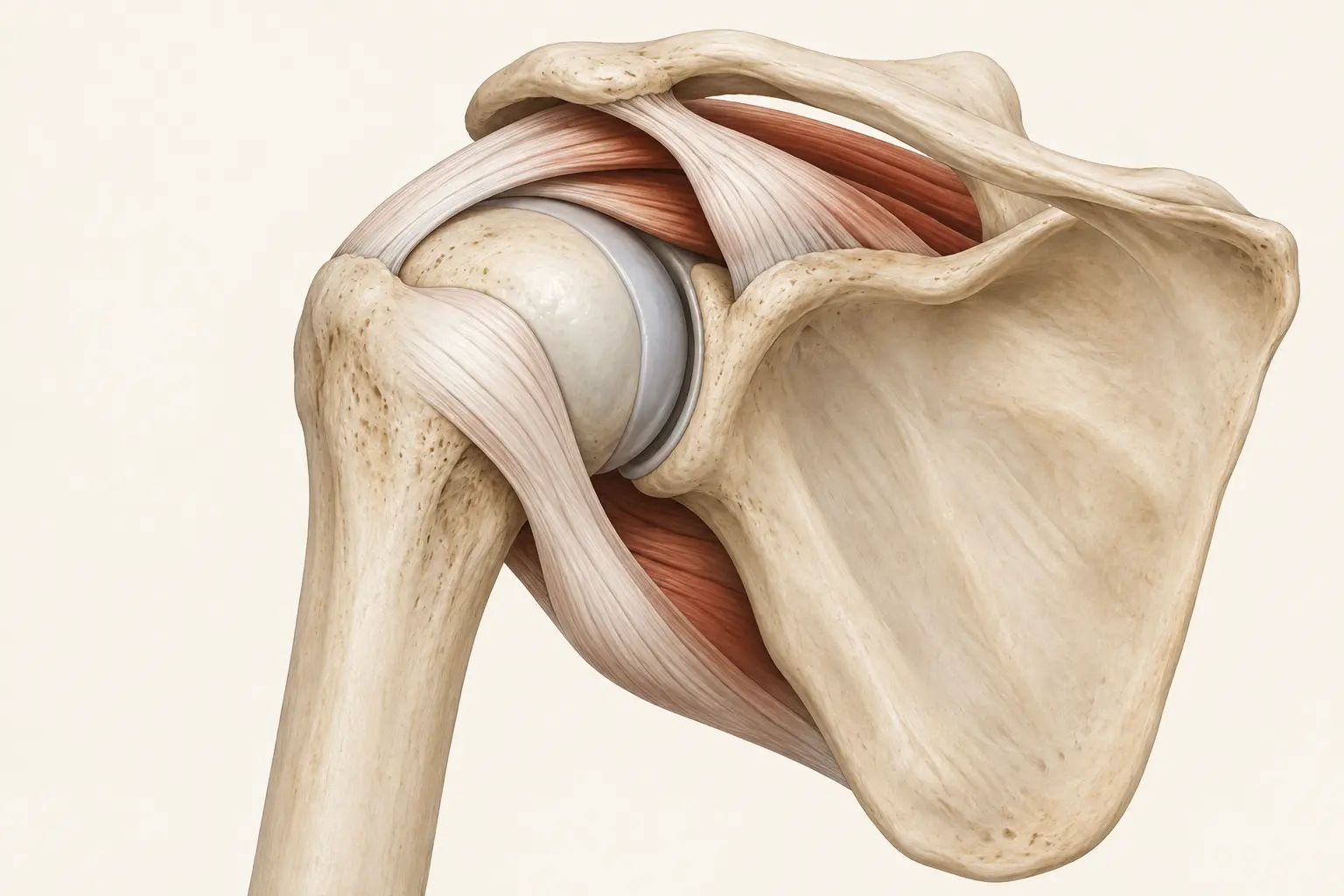
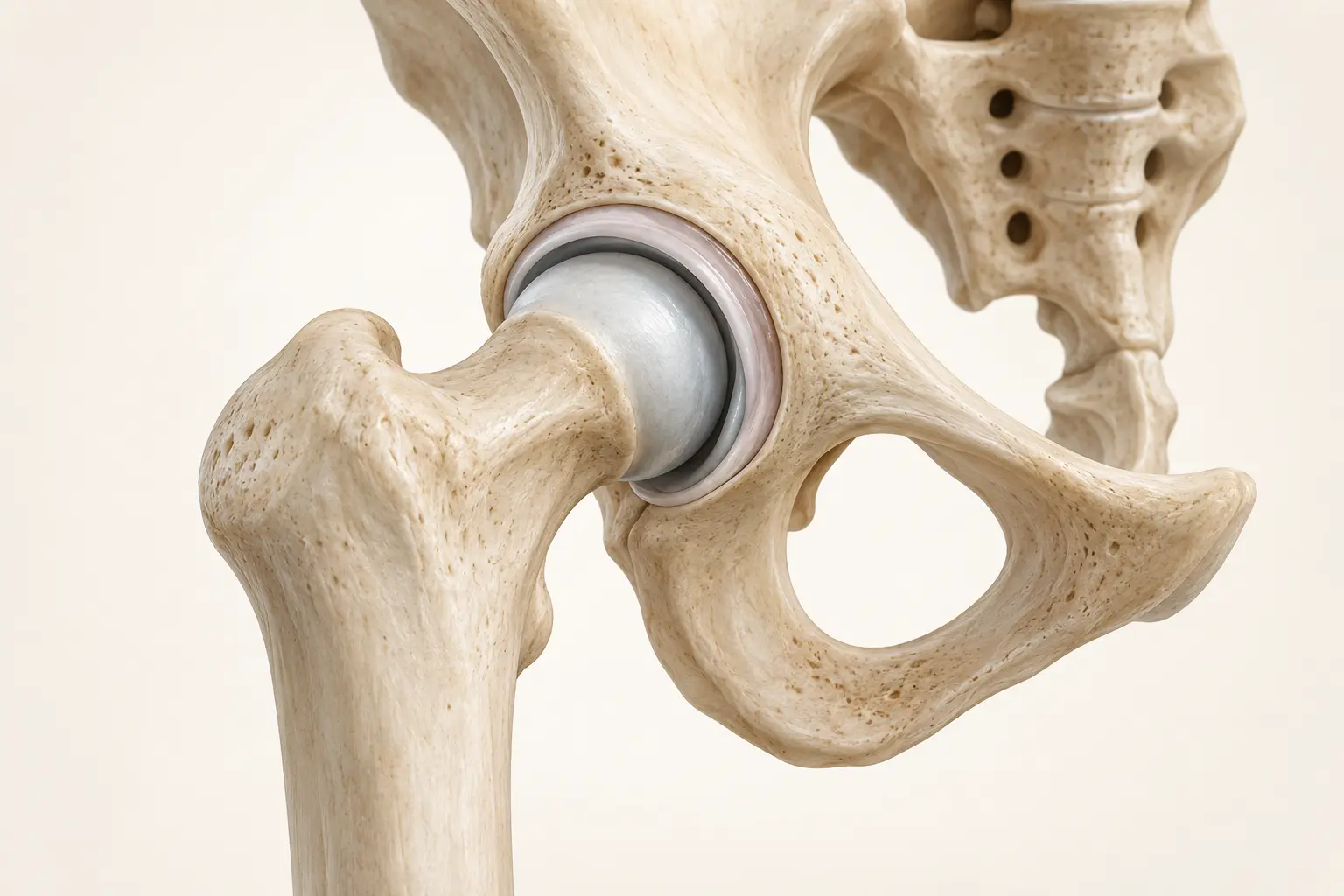
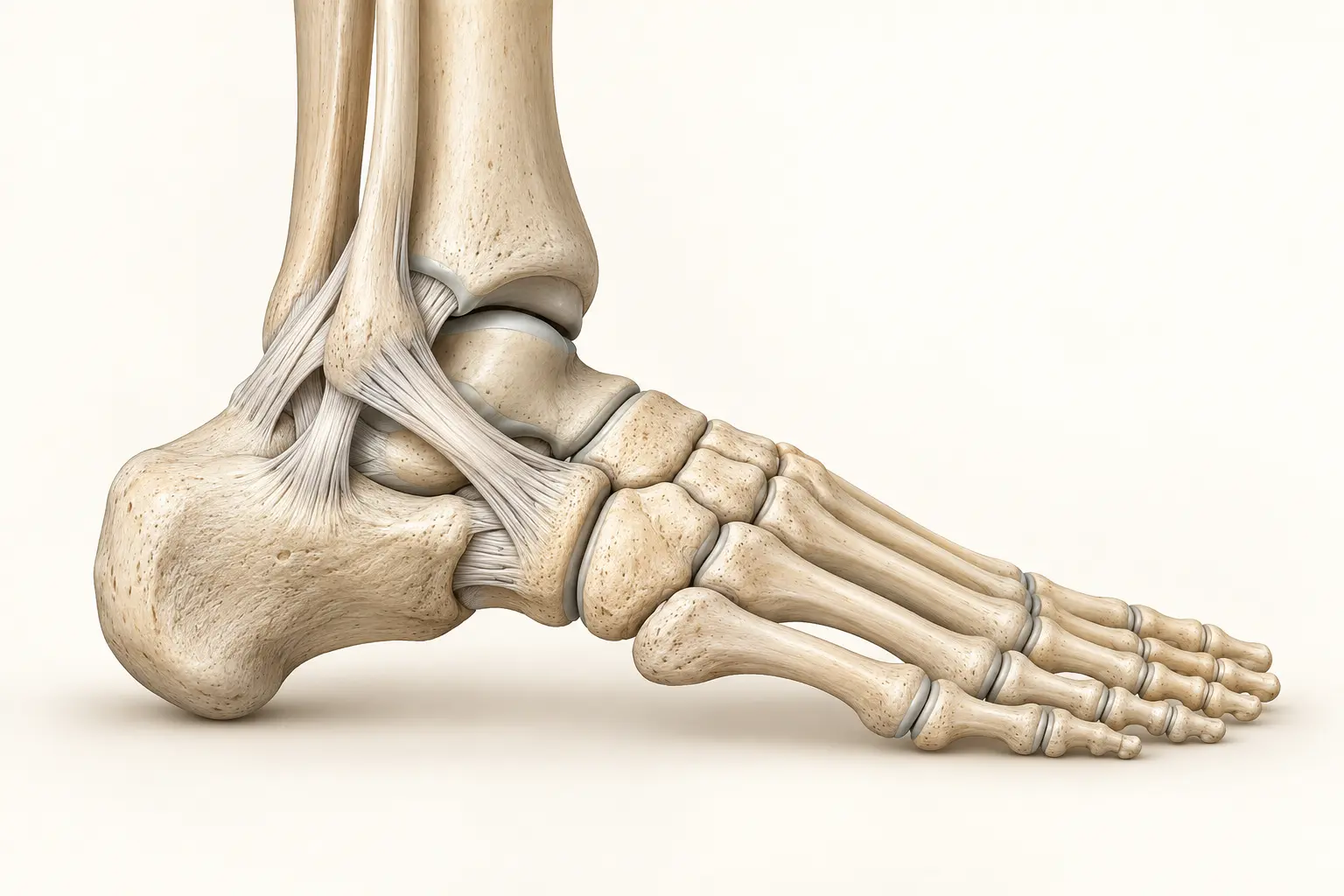
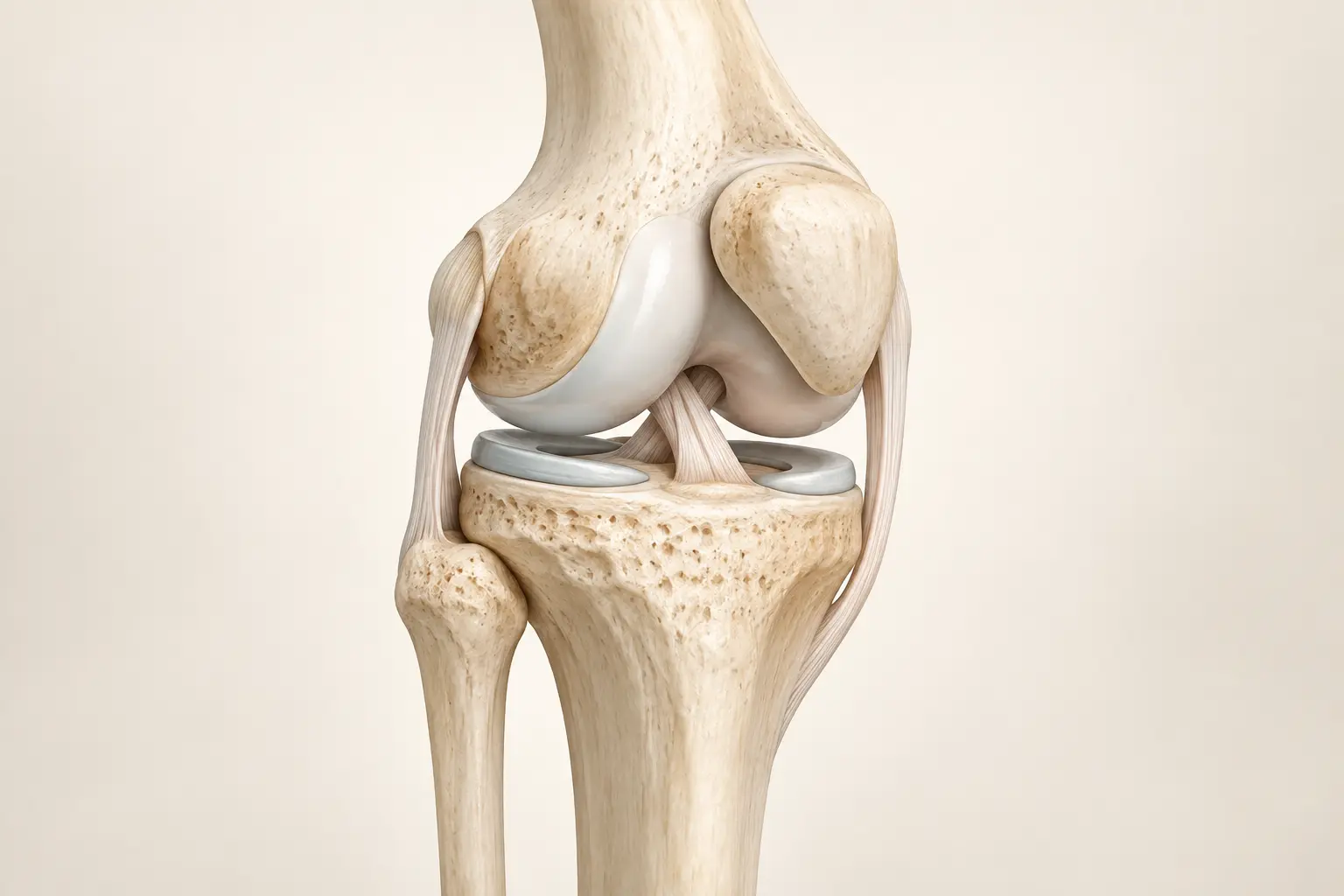
Dr. Kamel treats sports related and orthopedic conditions affecting the knee, shoulder, hip, and ankle.
A Conservative Approach

Surgery Is Not Always the Answer.

The objective is not surgery. The objective is recovery.

  1. Depending on the injury, treatment may begin with rehabilitation, physiotherapy, activity modification, progressive strengthening, or selected injection and ultrasound guided procedures.

  2. The decision is based on the patient's history, physical examination, symptoms, imaging when needed, activity level, and goals.

  3. When surgery is necessary, the treatment plan may include arthroscopic or minimally invasive techniques depending on the condition.

Injury Prevention & Return to Sport

Feeling Better Doesn't Always Mean You're Ready

Pain may disappear before strength, stability, balance, and function are fully restored.

That is why sports medicine also focuses on injury prevention and a progressive return to activity, particularly after injuries with a risk of recurrence.

For athletes, the goal isn't simply to return quickly.

It's to return safely and be ready to perform again.

When Should You See a Sports Medicine Doctor?

The earlier the problem is properly understood, the easier it is to establish an appropriate treatment and recovery plan.

Explore Sports Injuries

Consider an assessment if pain or an injury:

  • Persists or repeatedly returns
  • Limits your movement or performance
  • Causes weakness or instability
  • Prevents you from training normally
  • Keeps recurring after returning to sport

Frequently Asked Questions

What is sports medicine? +

Sports medicine focuses on the prevention, diagnosis, treatment, and rehabilitation of injuries related to sports, exercise, and physical activity.

It can benefit professional athletes, recreational athletes, and active individuals.

What is the difference between sports medicine and sports surgery? +

Sports medicine focuses on non surgical care and recovery, while sports surgery is considered when surgical treatment is necessary.

Learn More

Do I need to be an athlete to see a sports medicine doctor? +

No. Sports medicine can also help gym goers, runners, recreational players, active adults, and people experiencing pain or injuries related to physical activity.

Can sports injuries be treated without surgery? +

Yes. Many sports injuries can be managed conservatively depending on the type and severity of the injury, symptoms, stability, activity level, and individual goals.

Treatment may include physiotherapy, rehabilitation, activity modification, progressive strengthening, and selected procedures when appropriate.

When should I see a sports medicine doctor for an injury? +

An assessment may be appropriate if pain persists, keeps returning, limits movement or performance, causes weakness or instability, or prevents you from returning normally to your activity or sport.

When can I return to sport after an injury? +

There is no single timeline that applies to every injury or athlete.

Return to sport depends on factors such as healing, strength, stability, function, sport specific demands, and reinjury risk.

Being pain free does not always mean the body is ready to return to full activity.

Dr Anthony Kamel

About Dr Anthony Kamel

A French Trained Approach to Sports Medicine

Dr Anthony Kamel is a French trained orthopedic surgeon with experience in sports medicine, sports surgery, arthroscopy, and athlete care.

His background also includes a Master's degree in Biomechanical Engineering, bringing an additional understanding of movement, forces, and joint mechanics to his approach.

Meet Dr Anthony Kamel

Keep Moving. Return Stronger.

Whether you're a professional athlete, a weekend player, a gym goer, or simply want to remain active, sports medicine starts with understanding your injury, your movement, and your goals.