
Hip Labral Tears
The labrum is a ring of cartilage around the hip socket that contributes to the stability and function of the joint.
A labral tear may cause hip or groin pain, stiffness, clicking, catching, or difficulty with certain movements.
French-Trained Orthopedic Sports Surgeon • Beirut, Lebanon
From Hip Pain to Confident Movement
Hip injuries can affect movement, training, and sports performance, particularly during activities involving running, rotation, deep hip flexion, and repeated changes of direction.
Dr Anthony Kamel provides individualized assessment and treatment for hip injuries in athletes and active individuals, with conservative treatment considered whenever appropriate.

The labrum is a ring of cartilage around the hip socket that contributes to the stability and function of the joint.
A labral tear may cause hip or groin pain, stiffness, clicking, catching, or difficulty with certain movements.
Femoroacetabular impingement occurs when the shape of the bones around the hip creates abnormal contact during movement.
This can contribute to hip pain, restricted movement, and damage to structures within the joint, including the labrum.
Hip instability occurs when the joint does not maintain adequate stability during movement and may be associated with pain, a feeling of giving way, or difficulty during physical activity.
Treatment depends on the cause, symptoms, anatomy, activity level, and individual patient.
For athletes, hip pain can affect much more than one movement.
Running, kicking, pivoting, changing direction, squatting, and rotational movements can all place different demands on the hip.
Treatment should therefore consider mobility, strength, stability, joint mechanics, sporting demands, symptoms, and the ability to perform sport specific movements safely.
The goal isn't simply to reduce pain. It is to restore the function required for the patient's activity or sport.

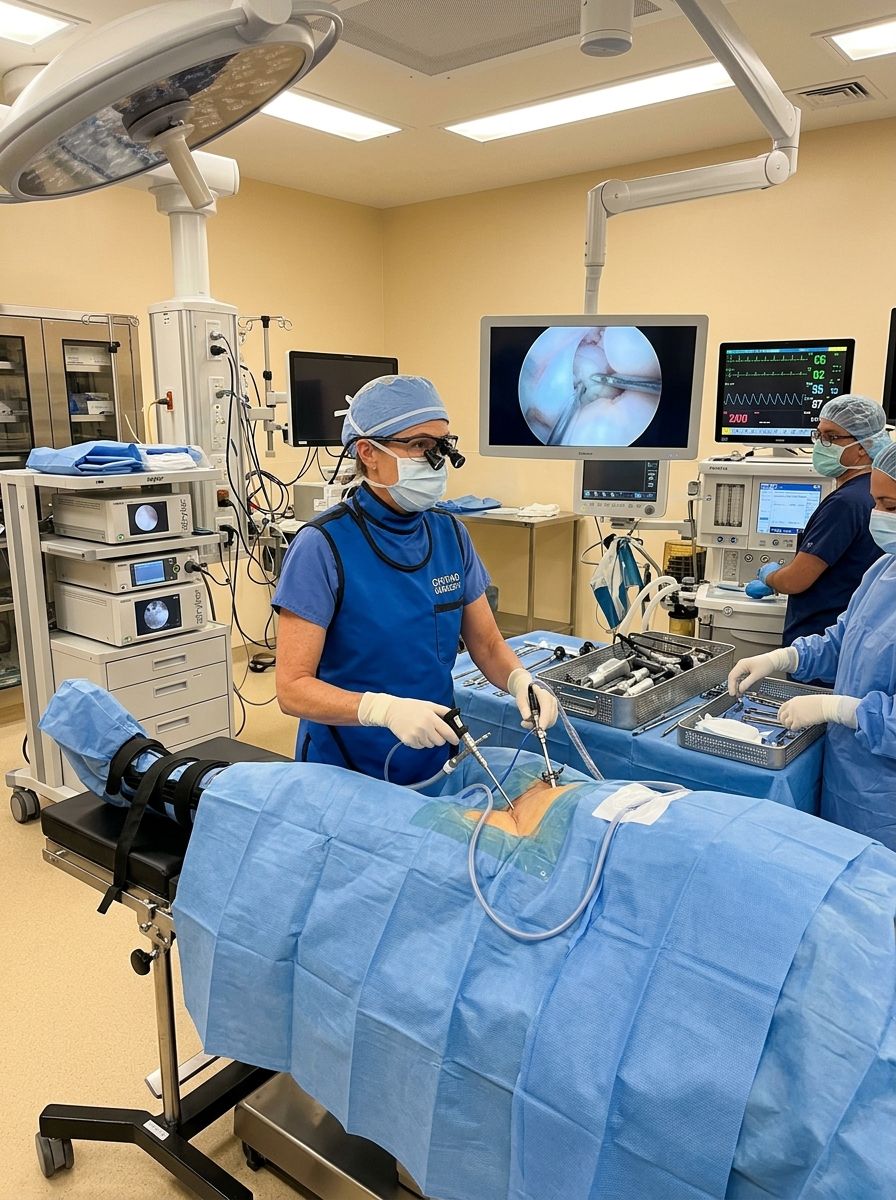
Not Every Hip Injury Requires Surgery.
A diagnosis on imaging does not automatically mean surgery is necessary.
Depending on the condition and individual case, treatment may begin with activity modification, rehabilitation, strengthening, and other non surgical options.
The decision considers:
Surgery may be considered when symptoms or functional limitations persist despite appropriate conservative treatment, or when the nature of the injury makes surgical treatment appropriate.
“The treatment should fit the patient, not simply the imaging.”

For selected hip conditions, arthroscopic or minimally invasive techniques may be considered when surgical treatment is necessary.
The surgical approach depends on the injury, anatomy, symptoms, activity demands, and individual patient.
The goal isn't simply to treat what appears on imaging. It is to restore function and movement.
Consider an assessment if you experience:
Hip pain can have different causes, which is why identifying the source of the symptoms is important before deciding on treatment.
No. Treatment depends on the diagnosis, symptoms, functional limitations, anatomy, activity demands, and response to conservative treatment.
In some cases, yes. Treatment may include activity modification, rehabilitation, and strengthening depending on the symptoms and individual patient.
FAI occurs when the shape of the hip joint creates abnormal contact between the bones during certain movements, which can contribute to pain and labral damage.
Hip instability refers to insufficient stability of the joint during movement. The cause and severity can vary, so treatment should be individualized.
There is no single timeline. Return depends on the injury, treatment, strength, stability, mobility, function, sport specific demands, and overall readiness.
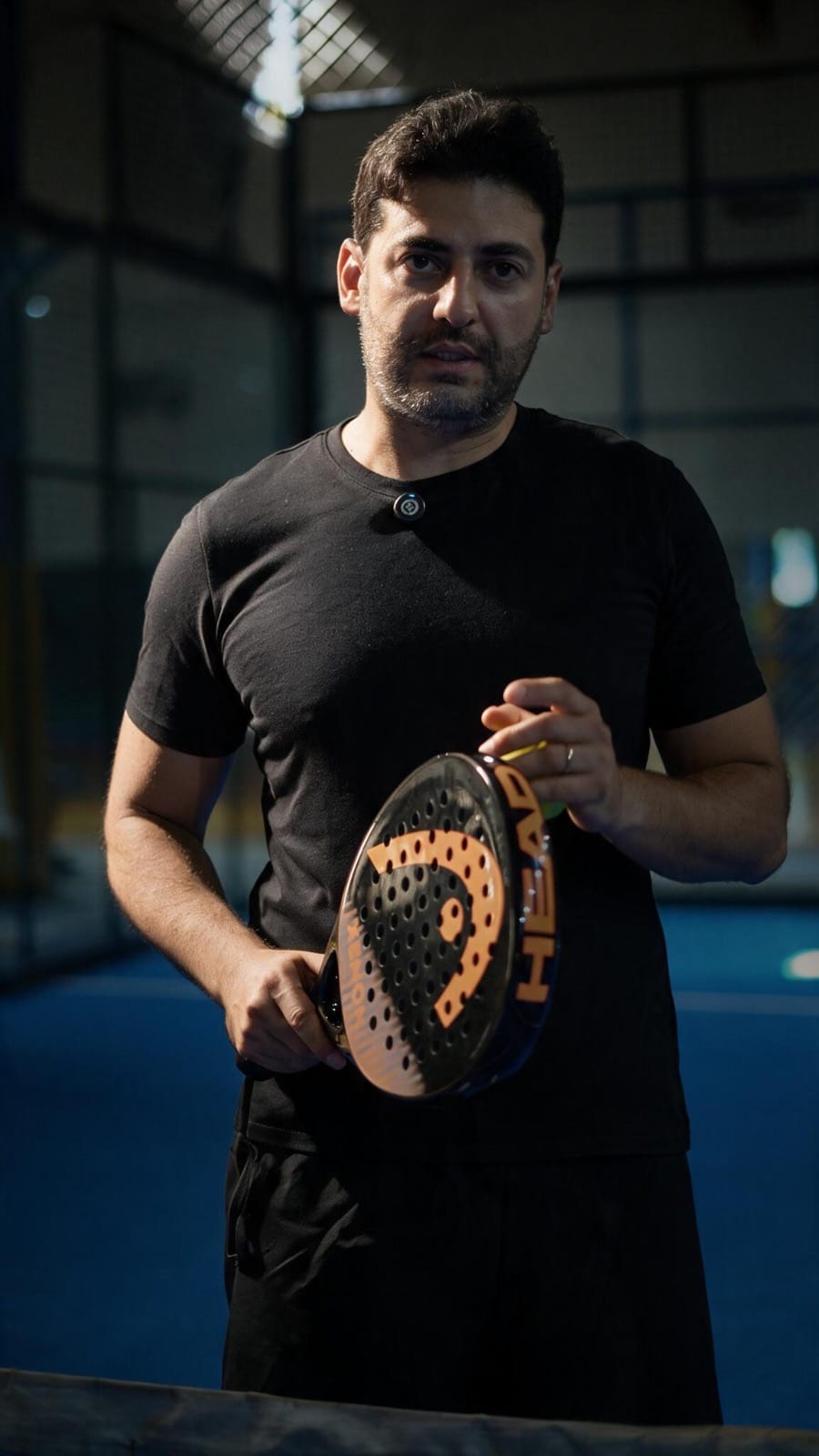
Dr Anthony Kamel is a French trained orthopedic surgeon specializing in sports medicine, sports surgery, arthroscopy, and minimally invasive techniques.
His background in Biomechanical Engineering contributes to his approach to understanding movement, joint mechanics, and the forces placed on the hip during sport and physical activity.
START YOUR RECOVERY
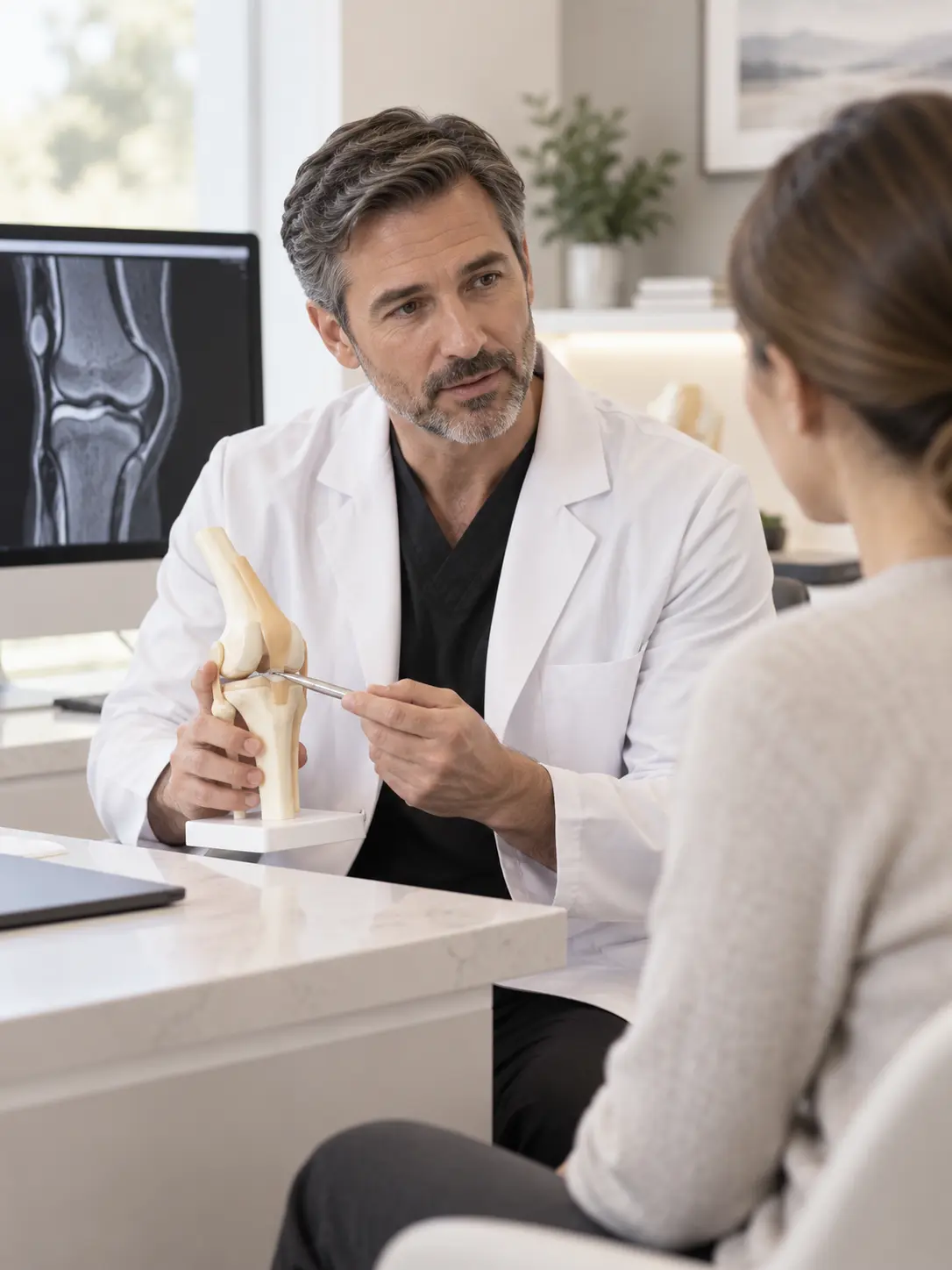
Whether you're experiencing persistent hip pain, a labral tear, femoroacetabular impingement, instability, or difficulty returning to sport, treatment begins by understanding the injury, the mechanics of the hip, and your individual activity goals.
Dr Anthony Kamel