Skip to content

Dr. Anthony Kamel

SPINE & OVERUSE CONDITIONS IN ATHLETES

Sports Related Spine Injuries in Lebanon

When Training Starts Causing Pain

Back pain, neck pain, and stress related injuries can develop through repetitive loading, sudden trauma, excessive training, or changes in activity.

Dr Anthony Kamel assesses sports related musculoskeletal pain with a focus on identifying what is causing the symptoms, how movement and training may be contributing, and what is needed for a safe return to activity.

Sports Related Spine Injuries in Lebanon
Common Spine & Sports Related Conditions

Understanding What Is Causing Your Pain

01

Sports Related Back Pain

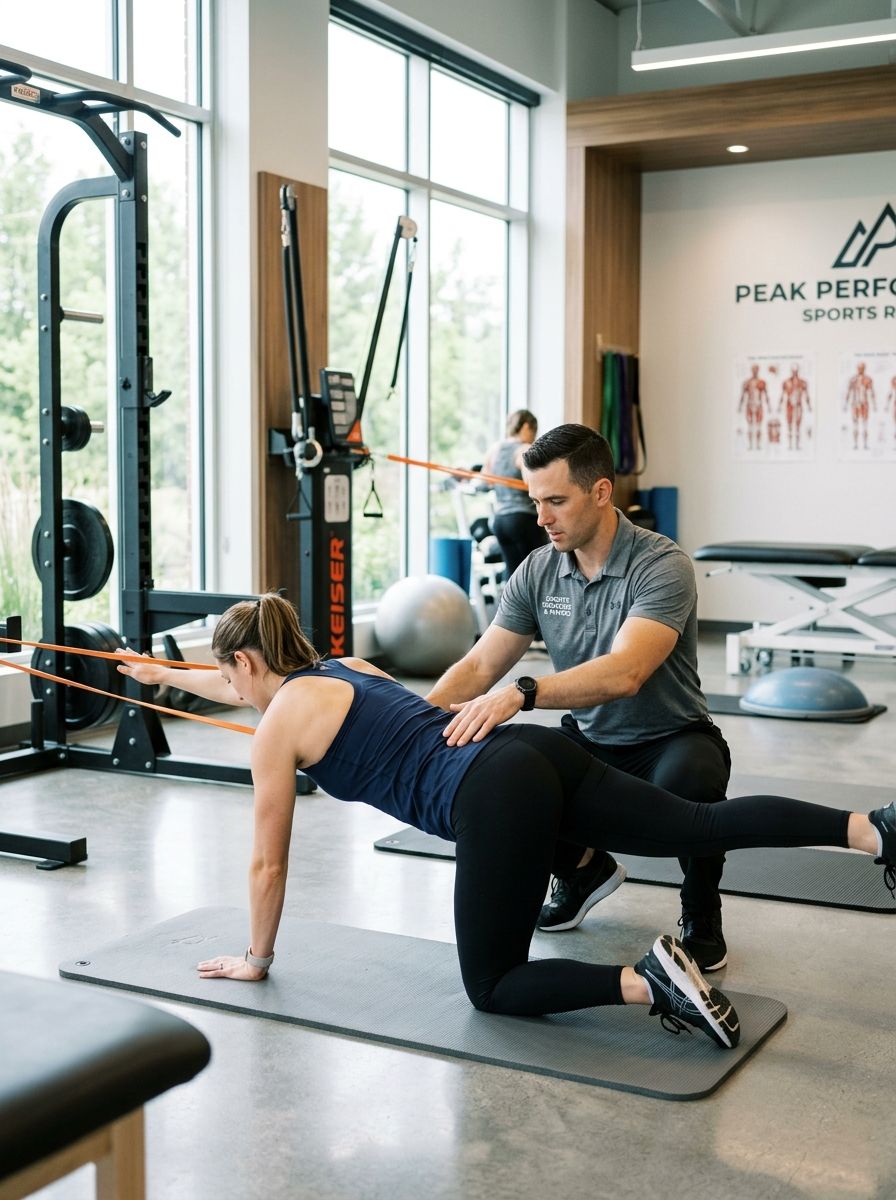
Back pain can develop during gym training, running, contact sports, repetitive lifting, or other physical activities.

The cause can vary, which is why persistent or recurring pain should be properly assessed before deciding on treatment or returning to full activity.

02

Sports Related Neck Pain

Neck pain may develop following impact, repetitive loading, training, or certain sports movements.

Symptoms can include pain, stiffness, or restricted movement. Persistent or recurring symptoms should be assessed rather than repeatedly trained through.

03

Stress Fractures

Stress fractures are bone injuries that can develop gradually when repetitive loading exceeds the bone's ability to recover and adapt.

Pain may initially occur during physical activity and become more persistent as the injury progresses. Because symptoms can develop gradually rather than after one obvious injury, recognizing persistent or localized pain is particularly important.

Overuse Injuries in Athletes

More Training Doesn't Always Mean More Progress

Not every sports injury happens suddenly.

Some injuries develop progressively when repeated stress and training demands exceed the body's current ability to recover and adapt.

This may occur following sudden changes in training frequency, intensity, duration, or load.

For athletes, assessment may consider:

Training load

Recent changes in intensity or volume

Movement and technique

Strength and conditioning

Recovery

Sport specific demands

Previous injuries

The goal is not simply to stop the pain. It is to understand why it developed and how to return safely without repeating the same cycle.

More Training Doesn't Always Mean More Progress
01
Movement-Centric Recovery From acute care to athletic performance
CLINICAL PHILOSOPHY

Should You Train Through the Pain?

Pain Shouldn't Automatically Be Ignored.

Some temporary discomfort can occur with physical activity, but persistent, worsening, or recurring pain should not simply be trained through.

This is particularly important when pain becomes increasingly noticeable during activity, repeatedly returns with training, or becomes more persistent over time.

Assessment considers:

  • When the pain started
  • What movements trigger it
  • Training volume and intensity
  • Recent changes in exercise or activity
  • Previous injuries
  • Strength and movement
  • Neurological or other concerning symptoms

The solution isn't always complete rest.

The objective is to determine what can be continued, what needs to be modified, and how activity can be safely rebuilt.

Find the Cause Before Treating the Pain
Diagnosis & Conservative Treatment

Find the Cause Before Treating the Pain

Treatment starts with understanding how the symptoms developed, the physical examination, activity demands, and training history.

Imaging may be used when clinically appropriate, particularly when a structural injury or stress fracture is suspected. The need for imaging depends on the symptoms, examination, and suspected diagnosis.

Depending on the condition, management may include:
  • Activity and training modification
  • Progressive rehabilitation
  • Strength and conditioning
  • Mobility work when appropriate
  • Load management
  • Selected medical treatments when indicated

For many sports related musculoskeletal problems, the objective is to address the cause, restore function, and progressively return to activity when it is safe to do so.

CLINICAL EVALUATION

When Should You Get Your Pain Checked?

Consider an assessment if you experience:

01
Back or neck pain that persists or repeatedly returns
02
Pain that worsens during training
03
Localized bone pain during or after exercise
04
Pain that becomes more persistent over time
05
Symptoms following a sudden increase in training volume or intensity
06
Weakness, numbness, or neurological symptoms
07
Pain following significant trauma
08
Difficulty returning to your previous activity level

Persistent pain should not automatically be accepted as part of training, particularly when symptoms are worsening, recurring, or limiting activity.

PATIENT QUESTIONS

Frequently Asked Questions

01 Does sports related back pain always mean there is a serious spine injury?

No. Back pain in athletes can have different causes. An assessment helps identify the likely source of the symptoms and determine whether further investigation or treatment is necessary.

02 What is a stress fracture?

A stress fracture is a bone injury that develops gradually through repeated loading and stress on the bone, rather than from one major traumatic event.

03 Can athletes get stress fractures in the spine?

Yes. Stress related bone injuries can affect the spine in athletes, particularly when certain movements and loads are repeatedly placed on the lower back.

The diagnosis should be based on the athlete's symptoms, examination, activity, and appropriate imaging when necessary.

04 Should I continue training if the pain is mild?

It depends on the cause. Mild pain does not always mean a serious injury, but pain that persists, worsens, changes your movement, or repeatedly returns with activity should be assessed before increasing training load.

05 When can I return to full training?

There is no single timeline.

Return depends on the diagnosis, healing, symptoms, strength, function, load tolerance, and demands of the activity or sport.

The goal is not simply to become pain free, but to be physically ready for the demands of training again.

About Dr Anthony Kamel

Sports Medicine Built Around Movement

Dr Anthony Kamel is a French trained orthopedic surgeon specializing in sports medicine, sports surgery, arthroscopy, and minimally invasive techniques.

His background in Biomechanical Engineering contributes to his approach to understanding movement, forces, load distribution, and the physical demands placed on the body during sport and exercise.

FR
French-Trained Specialist Sports Medicine, Sports Surgery & Minimally Invasive Arthroscopy (INSEP Paris)
BIO
Biomechanical Engineering Master's Degree · Movement Analysis, Joint Kinematics & Kinetic Loading
Dr. Anthony Kamel
Dr. Anthony Kamel Orthopedic Surgeon | Sports Medicine & Arthroscopy
Dr. Anthony Kamel Consultation

START YOUR RECOVERY

Don't Let Persistent Pain Limit Your Movement.

Whether you're dealing with recurring back or neck pain, a suspected stress fracture, or symptoms that appear every time you train, the first step is understanding what is causing the problem and how to return to activity safely.

Dr Anthony Kamel

Orthopedic Surgeon | Sports Medicine & Sports Surgery Sports Related Spine Injuries · Stress Fractures · Return to Sport